HOW TO START A SUSTAINABLE ONLINE SHOE BUSINESS IN THE UK
The world of shoes is diverse and exciting. Be it the click-clack of stilettos or the comfort of sneakers, the charm never seems to fade. Shoes are a staple of every wardrobe. On the other side, sustainability is not just a trend, but a necessity in today’s world.
Impressive growth of global footwear market and the trend of sustainability combine to make a new business idea. Business owners in the UK dream about their online and sustainable shoe brand.
But, how to sell shoes online, could itself be a short question with incredibly big answer. Adding sustainability would further complex the topic.
Do not quit before you start. This blog posts is a complete guide written with the purpose of simplifying this very complexity. Do not quit before you start, read this guide and make your dream come true. Here is a step-by-step guide for online shoe selling .
Step 1: Research the UK Online Shoe Market
Not having the exact idea about where to start, stops many aspiring entrepreneurs in their tracks. Let us tell you about the research you need to do in the preliminary stages. Comprehensive market research always encompasses two things. First is the competition and second is the current trends. Let us study both of them in depth one by one.
Competition: What Other Brands Are Doing?
Opportunities are always there in the market. No matter how saturated it is, there are always gaps that a newbie can cover. But these gaps would be left unexplored if you do not analyse your competitors.
Thorough research on different brands helps you know their weaknesses and strengths and document them. This will give you a good idea of what new you can do.
- Compile a list of all your competitors. Add both direct and indirect ones in your chosen niche
- Evaluate their product offerings, pricing strategies, and customer service policies. Get to know their shoe styles, branding & marketing strategies.
- Do an analysis of their website design, user experience, and marketing tactics
- Read their customer reviews to find out areas of improvement
- Look for gaps in their offerings
Where To Find Competitors?
You can find other shoe stores on marketplaces like Amazon, eBay, Etsy, and Asda. You can also go to search engines like Google, and type search queries such as “popular shoes” or “trending footwear.” Try out queries related to your target audience. For example, if you are selling shoes to women in sports type something like, “trending athletic shoes for women.” However, in our case, the niche includes sustainability so you may type, “sustainable athletic shoes for girls”
Trends: What’s Happening in the Industry
Next thing to familiarise yourself with is trends. Trends come and go in every industry and footwear ecommerce is no exception. Its experienced significant growth in recent years due to technological advancements and changing consumer behaviours. Online shoe sales are also increasing in UK, and if you are an aspiring entrepreneur, you must know the following key trends:
Sustainability: The very topic of this article. Eco-friendly and ethically produced shoes have become a go-to product among many environmentally conscious consumers.
Personalisation: Customisable shoes and AI-powered size recommendations enhancing the online shopping experience and fulfil the self-esteem of buyers. That is why they are famous.
Mobile shopping: The rise of mobile commerce has made mobile-friendly websites and apps mandatory for every business out there.
Step 2: Identify a Profitable Niche
Yes, to some extent, you have already nailed down your niche. It is sustainability.
But further effort will take you even further toward your goal. A well-defined niche includes the details of the product and target audience. Sustainability is just one aspect. Niche is a more specific and targetable segment of a larger audience. It’s a group of like-minded people with interests and needs.
Right now, you only know they are all eco conscious, and that is definitely not enough. You also have to know their needs and wants when it comes to footwear. What kind of shoes align with their lifestyle. What suits a cricket player will not suit a software engineer. But both can be equally enthusiastic when it comes to sustainability.
Here are some things you should do:
- Conduct analysis of market data.
- Study consumer behaviour and spot underserved segments.
- Try to find the market areas where demand outstrips supply.
- It best to specialise in a particular type of shoe, such as athletic footwear, luxury brands, or sustainable options.
- Try to focus on one specific demographics, like children’s shoes or footwear for seniors.
A niche has to be particular enough to differentiate your brand.
But, it also has to be broad enough to ensure a viable customer base.
You can design shoes specifically tailored for runners, gym-goers, or outdoor enthusiasts. A shock-absorbing soles or breathable, lightweight materials can be the notable features.
Again, you can use Google Trends and type keywords representing your unique selling proposition.
Here are some types of shoes you can customise and sell:
- Slip-On Shoes
- Flip-Flops
- High Top Shoes
- Lace-Up Shoes
- Athletic Shoes
- Slides
Step 3: Estimate Your Costs of Starting Online Footwear
You need careful understanding of the initial investment. Here are some costs you must consider:
Design Cost
You may decide to sell customised designs that may need high-quality design software. You can bring your creative ideas to life with the help of tools like Adobe Illustrator or specialised 3D shoe design programs. You will have to pay a monthly subscription or one-time purchase fee.
Inventory & Materials
This involves the cost of buying raw materials and managing the inventory. You may need materials like fabric, leather, rubber soles, or eco-friendly alternatives if you go for in-house production. Bulk resourcing can help you reduce the cost.
Production Equipment
Specialised production equipment will also be needed if production is your responsibility. That may include leather cutting tools, stitching machines, sole moulding machinery, and other essential footwear manufacturing tools.
Step 4: Choose Your Business Model
Business model decides what will your structure be? Here are most popular three models:
Ownership of production
Designing and manufacturing shoes is your headache. You as a business owner control a good part of the supply chain and ensure 100% quality control and customisation. Yes, that feels great to control everything and not depend on any third-party, but it also needs detailed planning, funding, installations, technical capacity, and human resources.
Wholesale
Now, you no longer have that ultimate control. You buy products in bulk from a manufacturer, store in your warehouse, and sell to your customers. You lose control, but you also reduce your costs and save a lot of effort. Now all you have to bear is costs with inventory management, and business insurance.
Drop shipping & Print on Demand
This is the best model if you want to avoid start-up cost or do not have enough capital. You become the intermediary between the final customer and another business or manufacturer. You focus on design, marketing, and communication. Applying the designs, fulfilment, and managing inventory all are the job description of your supplier.
Step 5: Source the Suppliers
Here comes one of the most important steps of online shoe selling . You have to find reliable suppliers or manufacturers for your brand.
Not only your ideal supplier can maintain high quality but also aligns with your brand’s specific needs. They must be as serious as you when it comes to sustainability. Ensure both are on the same page about design, production and sustainability. You have a specific shoe type in mind to sell. They should be expert at production of that type.
Ask them about their minimum order quantity or MOQs. It should suit your budget.
Meet different suppliers online or offline and ask questions. Get to know production process, material sourcing, customisation options, and lead times.
The dream of sustainable online shoe business cannot materialise without the help of sustainable supplier. Producers who take environment seriously always find ways to be sustainable. Some use eco-friendly materials like recycled fabrics or organic cotton. Some brands make reused rubber soles, and some opt for the plant-based fabrics for the uppers of the shoes.
Request for some samples before you sign the contract to ensure they are worthy.
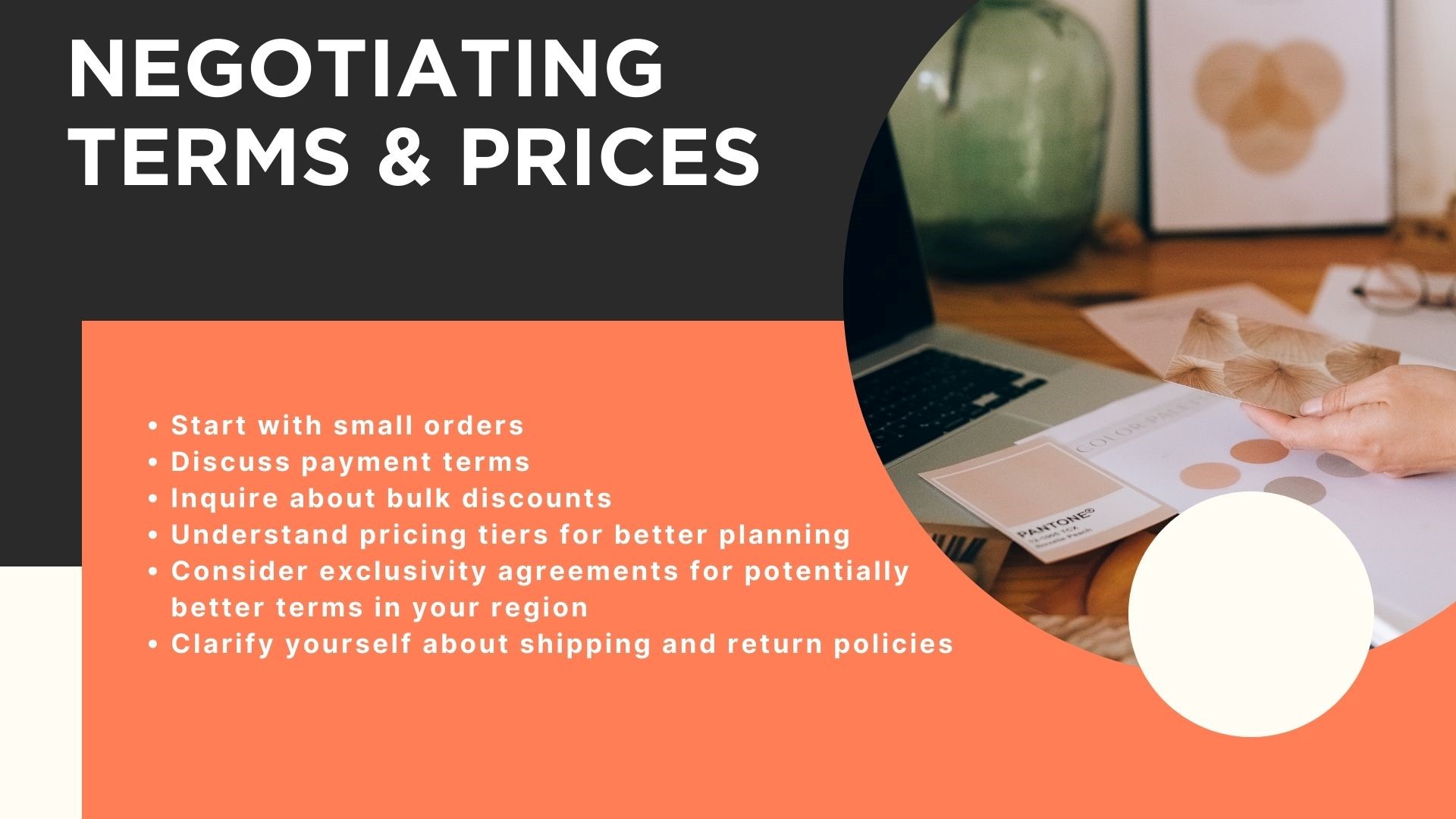
Sources to find Suppliers
You can use following resources to get the supplier. Some UK suppliers are AWOL, Bazaar UK, Ethical Footwear Co.
1. Research wholesale directories
- Go to Alibaba, AliExpress, or Shoe Show
- Reach out to potential suppliers offering a wide range of footwear options
2. Attend trade shows with your team
- Visit industry events such as MAGIC or FN PLATFORM
- Meet suppliers face-to-face and examine their products first-hand
3. Leverage social media
- Follow suppliers on Instagram and LinkedIn
- Discover new products
- Connect with potential partner
Step 6: Register Your Business
Let’s cover the legal and financial aspects. Solid foundations are critical for long-term success.
Business Registration
Finally, we are ready to make things official. Our sustainable online shoe business will soon have a legal status. Here are some things we must know to make it possible.
Choose a Business Structure
Every new business in the United Kingdom is subject to mandatory registration with HMRC, regardless of whether it operates online or from a physical location. The type of registration required depends on your business structure:
- Sole Trader: You’ll need to register as a sole trader with HMRC, if you are operating alone.
- Partnership: Some businesses have two or more owners. Registering as a partnership is mandatory for them.
- Limited Company: This offers more protection but requires registration with Companies House and HMRC.
Select a business name
- It has to be a unique, memorable name.
- It should not already be in use.
- It must reflect your brand’s vision.
Steps for Registering Your Online Business in the UK
- Choose your business structure (sole trader, partnership, or limited company).
- If forming a limited company, register with Companies House
- Register with HMRC for tax purposes.
- Consider VAT registration if your turnover exceeds the threshold (currently £90,000).
- Set up a business bank account.
- Obtain any necessary licenses or permits for your specific industry.
Obtaining Necessary Licenses
To operate your online shoe store legally, you’ll need to secure the appropriate licenses and permits. While requirements vary by location and business type, here are some common ones to consider:
- Business license: Most cities and local councils require a general business license.
- Seller’s permit: Allows you to collect sales tax on transactions.
- Resale certificate: Enables purchasing wholesale shoes without paying sales tax.
- Home occupation permit: May be required if running your online store from home.
Research any industry-specific licenses or permits that may apply to selling shoes online in your area.
Step 7: Build an Online Store
Let’s get live, we have things ready now!
Pick a good ecommerce platform that goes with your requirements. Here are the key factors to consider:
Ease of use: User-friendly interface would help you make things quick. If a platform requires extensive technical knowledge, you will have to put in more time and efforts.
Customisation options: Unique look is fundamental pillar in getting notice online. Ensure your choice helps your brand look stunning and unique online. That requires an ecommerce platform with high customisation power.
Mobile responsiveness: Pick an ecommerce solution that offers mobile-friendly designs, so you d on’t miss out on a large portion of mobile shoppers.
Payment gateway integration: There has to be support for various payment methods to accommodate different customer preferences. Everywhere in world there could be shoppers looking to buy sustainable shoes online.
Scalability: Every business grows over time. Pick a solution that supports your growth and can handle increased traffic and inventory as you expand.
Step 8: Market Your Online Sustainable Shoes Brand
Marketing is necessary to build brand awareness. You need to regularly publish the content that helps your audience connect with you and know more about you.
One of the great ways is social media. Use platform like Instagram, TikTok, and Pinterest to engage with your target audience and try to build a community of these like-minded people.
Moreover, you can hire influencers who are passionate about an eco-friendly clothing style to help you.
The content like unboxing videos, product demos, and behind-the-scenes footage of your design process helps people build emotional connection with brand. Share your journey, how the idea came about, your design process, and bringing the product to life. Human beings love stories. Stories build authenticity. Most people do not buy what you sell, they buy why you sell.
Paid ads on Instagram, TikTok, or Google are great at bringing sales quickly. These engines show your ad to people based on their interests, behaviours, and shopping habits.
Focus on publishing quality content, be it videos, still graphics, or written content like emails, ads or blogs. It should be engaging and eye-catching enough to convert one-time website visitors into regular and loyal customers. Good marketing strategy includes organic social media content, influencer partnerships, paid advertising, and email campaigns.
Conclusion
So, here is the quick recap of how to sell shoes online. Research the industry, pick a niche, make your budget, pick the model, find the suppliers, get registered, choose e-commerce platform and start marketing and selling. Best of luck for your new venture.
Remember, consistent testing and learning are the keys to success in the UK footwear market. Another crucial thing to get right is the e-commerce platform, since it will be the foundation of your online presence.
Wow Commerce is an incredibly diverse e-commerce platform that offers niche-specific versions which even include shoe ecommerce solution . If your business needs a customised sneaker ecommerce solution , the team can build it for you as well.
Bonus Downloads & Resources
- Brand Name Idea Generator (Online Tool)