HOW TO CREATE, SETUP AND LAUNCH A PROFITABLE ONLINE STORE
Do you want to create a profitable online store?
Seeing the profitability, most people would say yes. Statistics have it that, the eCommerce industry in the United Kingdom amounted to an overall revenue of almost 146.2 billion british pounds in 2023 .
While creating an online store seems easy, creating a profitable one seems a daunting task to many. High competition is one of the major reasons, but it is not the only reason. The bigger problem is not knowing the right processes from the start.
Running an online business is a multi-dimensional venture. It requires knowledge of many things. You must understand the importance of e-commerce platforms , SEO, product placement, digital marketing, etc. Research shows that almost a quarter of UK ecommerce startups fail every year .
Here is your complete and comprehensive guide to all the essential tips and techniques for running an online business. Let's start your journey to a profitable web business. Here is how to make your online store and generate a handsome income.

Choose The Niche
First and foremost, decide your niche. Are you going to operate in the fashion industry, or would you prefer the health industry? Will you sell home decor or culinary products?
Many stores sell pet products like dog leashes or cat food, digital products (like mobile apps or online courses), and tech products like computers or mobiles. Decide which is your cup of tea. An ideal niche must have two characteristics:
It should be profitable: If you want to create a beautiful online store, choose the niche with an impressive return on investment probability.
But choosing a profitable market is tricky. Some startups pick the one with the lowest competition, which is not an intelligent strategy. Trying to minimise the competition, they minimise the number of their customers. They pick up a product with little or no market at all.
Here is a tip. Pick up a niche with neither too high nor too low competition. Research your competitors and figure out what unique things you can do. Add any features in your products or services that no one else provides.
Also, avoiding products that are too expensive to ship is better. It is better to sell them offline.

It should be searchable : Most profitable stores sell the products that people search for online. Use proper search engine optimisation techniques to make sure people find you online.
One of the proven strategies to find niche is to pick any industry that excites you and check the trends within the industry.
What is your Passion?
Long-term motivation is easy to develop when you do what you like. Evaluate your hobbies, skills, and passions. The fashion industry would be a good choice if you enjoy creating or sourcing clothes and working with a stylist for photo shoots. If cooking excites you, you can sell food and culinary items.
However, it is better to enlist multiple niches that excite you.
Check the Trends in The Niche
Success of business also depends on the trends. Thanks to Google Trends, checking the trends is not a difficult job. You can check what people are searching for. Go to the Google Trends website and enter any keyword or phrase related to your industry. Also, do not forget to mention the country where your target market resides.
Define Your Target Audience
The target audience is the group of people who are the focus of your marketing efforts. Knowing what kind of people your ideal customers would be is critical. It helps you attract them and people like them and increase sales and conversions.
At least, you should be very clear about the following three things:
Demographics: You should know what age group, gender, nationality, religion, and race they belong to. The best would be if you also knew about their occupation and education.
Location: Geographic location is also crucial for many decisions.
Interests: Your audience's personality, opinions, and lifestyles would also be helpful.
You should have a clear idea of who will buy your product. What are the needs, wants, and demands of these people? What would be the pain points of their lives? What are their likes and dislikes?
These things matter a lot in your marketing strategies. Marketing needs a lot of content, either blogs, images, videos, or infographics. A team of digital marketers and writers will produce more casual content if most of your target audience is teenagers. If they are people over 45 years old, the content must be more formal.
You should also know these things to choose a e-commerce platform smartly. If your target audience lives in the UK, look for ecommerce platform UK with UK-based servers. This will increase the loading time of your online store.
Even companies as big as Starbucks have suffered because they do not know their target audience. They lost $105 million in Australia because they didn't properly know the needs of Australian Coffee consumers. They were left with no other option but to close 61 of their 87 stores.
Choose Your Products/Services
Choosing the products could be the most challenging part of building online stores. However, it wouldn't be so tricky to come up with a product idea if you have your audience in mind.
Here are three of the ideas you can use:
· Check the trends in your industry.
· What is your biggest excitement about that industry?
· Are there any enthusiastic hobbyists in your marketplace? Find them and choose a product that appeals to them.
Also, you can check online marketplaces and social media platforms. Join different pages related to your industry. Browse online stores that operate in your chosen industry. Find out what they sell.
You should know about all the big names of health niche if you have chosen it. Also, try to get to know about different small and medium-sized businesses. You will get a lot of product or service ideas.
Check the most profitable products and think about what new features you can add. You can use tools like Amazon , Facebook , Instagram , and Twitter to find good ideas. Also, if your target audience is local, you can visit the local market to get ideas.
Develop a Business Plan
It is time to bring things to record. Writing down a business plan would take some time, but results are worth putting effort into. It ensures you stay on track. Here are some things that go into a business plan.
Buyer Personas
Buyer Persona is a semi-fictional representation of your ideal buyer. This is a profile of your customer made up by researchers after a thorough market analysis. It covers the ideal buyer's demographics, interests, and location. SEMrush provides free tools to generate buyer persona.
Choose The Right Business Structure
You must make your business legal, which requires registration. But before registration, you must be clear about your business structure.
Sole proprietorship
It is an unincorporated business. Any legal distinction between the company and the individual running it does not exist. It qualifies as a non-employer business. The advantage is that it is straightforward to set up and manage.
Partnership
A partnership is a single business with two or more owners. Everyone contributes via funding, property, labour, or skill. They also share responsibility and profits.
Limited Liability Corporation (LLC)
It is a hybrid business structure that combines partnership with the liability protection found in corporations.
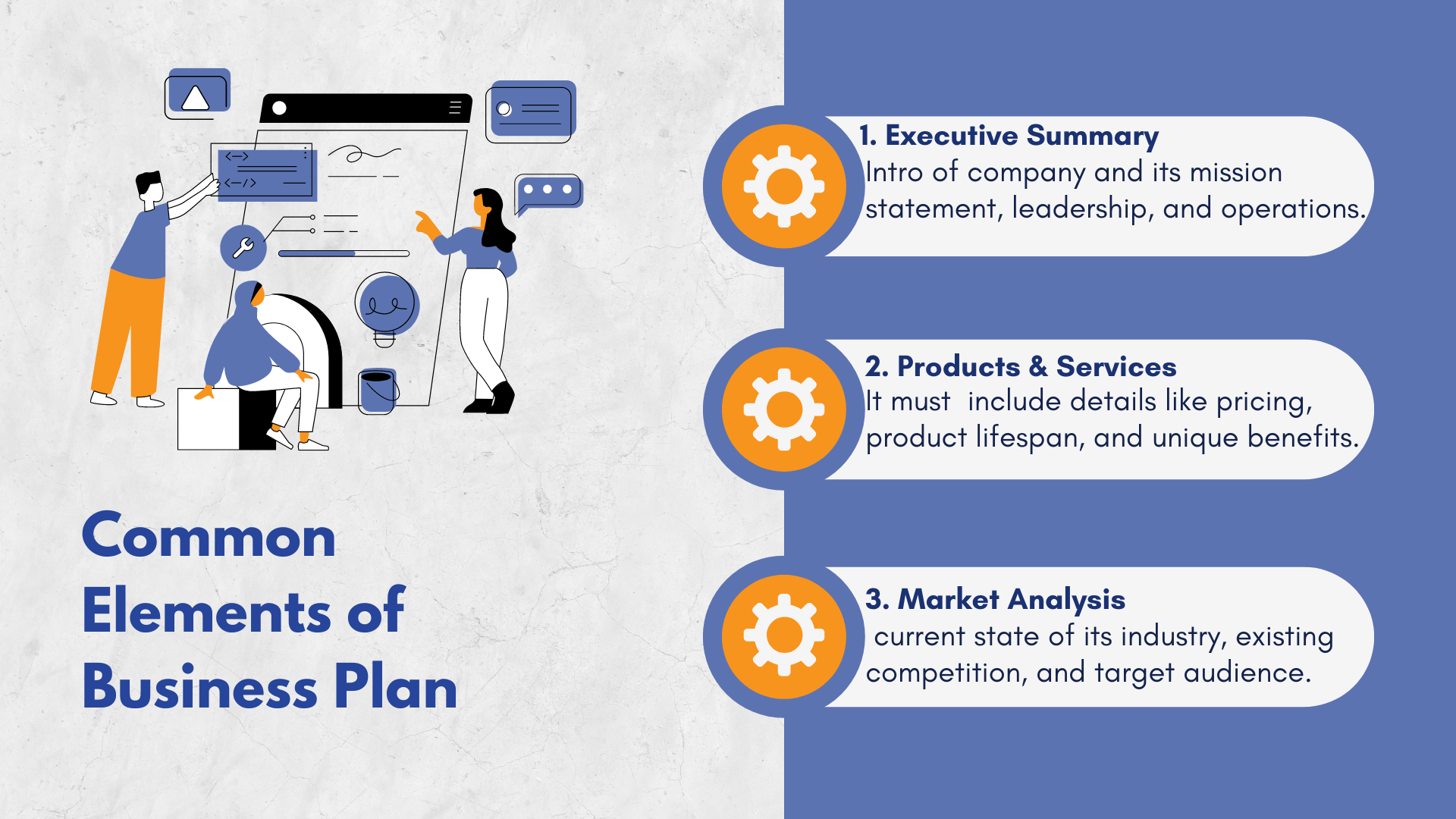
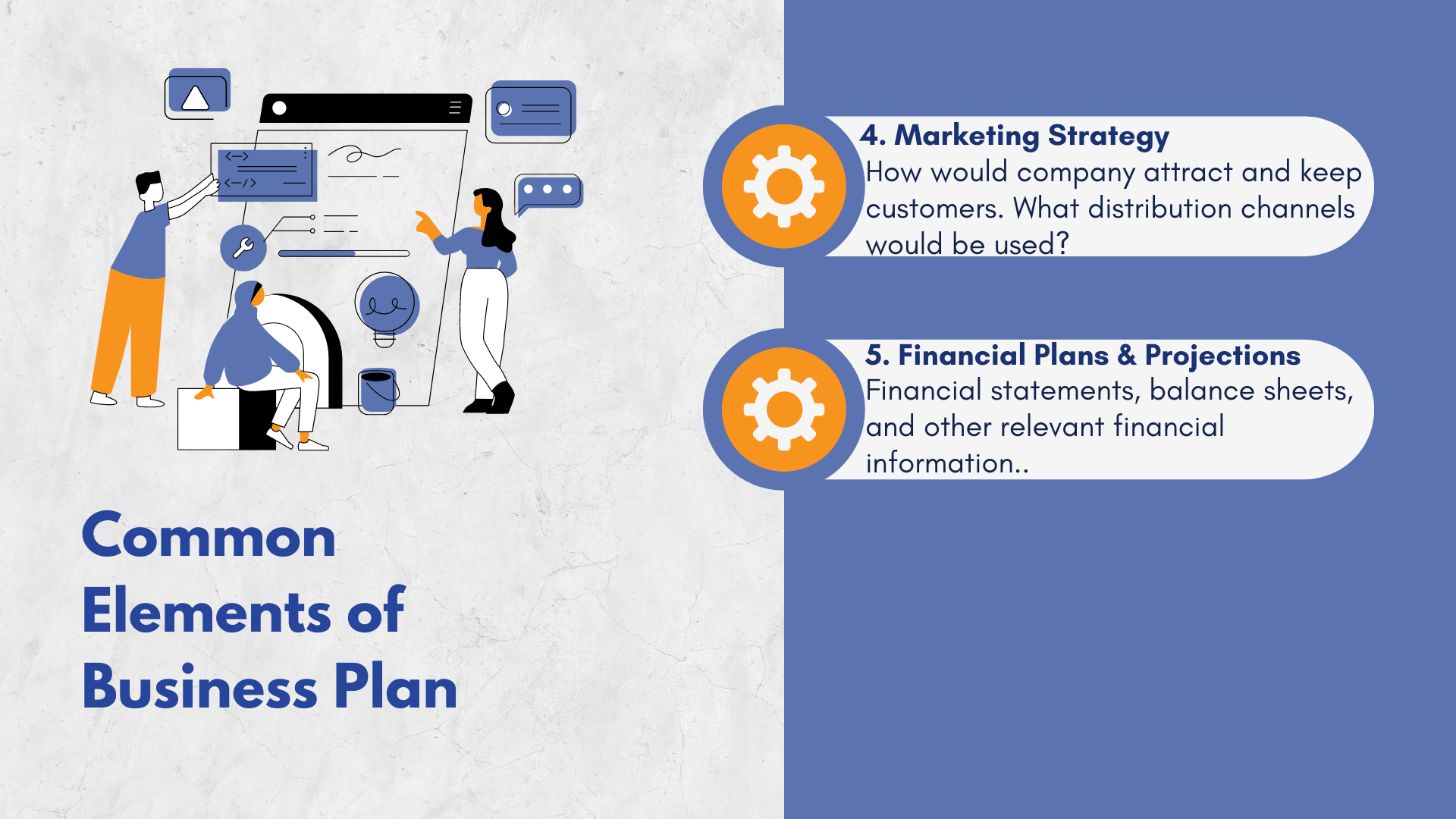
Once you know your business model, structure, target audience, and products, you are ready to register your business. But how can you register something without a name?
Create Brand Name & Business Assets
It is time to decide on your business name and design its logo. Since you know much about your business now, picking up a name would also feel easy. You may also want the same domain name, so checking on the domain registrar for available names can help.
Logo is also an important business asset. You may take some time to build it on your own through Canva or pay a designer. Whatever you do, make sure the logo is unique, memorable, and eye-catching.
After coming up with a name and design logo, find out how to register a business in your country.
Choose an E-commerce Platform
Then comes the step of choosing ecommerce platform . There are many options, and neither is right or wrong. Pick the one that best suits your business needs. However, there are some essential features you cannot compromise on.
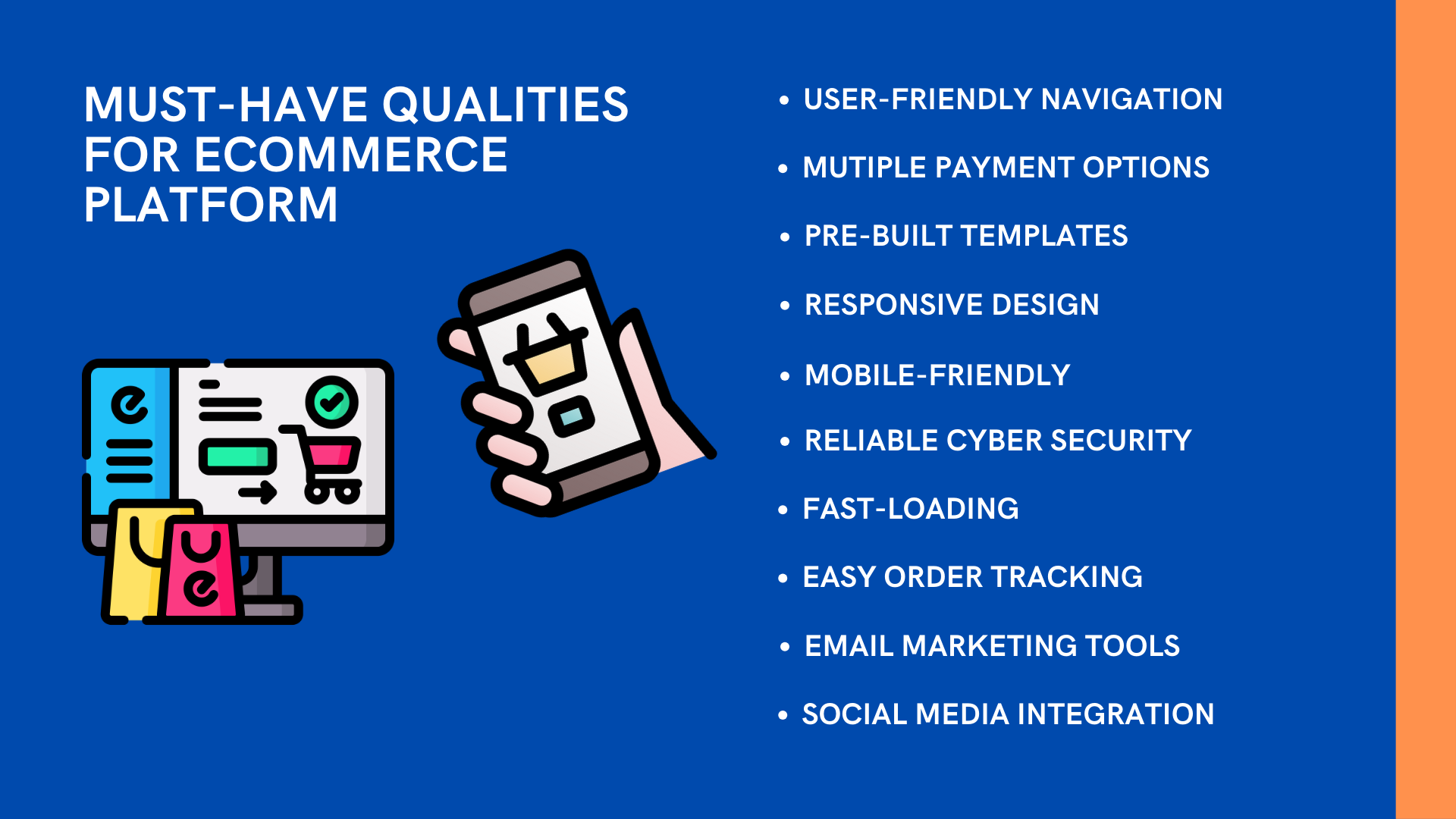
Set Up Your Ecommerce Website
Finally, you are ready to start setting up your website. Visit the website of your chosen e-commerce platform and create an account there to start setting up your website. Provide your domain name and select the theme that best represents your business. (We will talk more about theme selection in the next step)
Here are some essential tasks for setting up your website:
Add the Product Listings
Most ecommerce platforms provide an easy and intuitive interface. It will be easy for you to find the "Ádd the products" section.
Product Titles & Descriptions
Be very careful when writing the product title. Customers will see it when they browse your store and use similar terms to search for it. The title should clearly explain the product and be near to the terms customers may use to search for the product.
The same goes for product descriptions. They should be very clear and concise. Any specific information that customers may want, like color and size, should also be given. Always keep your customer in mind. Customers cannot feel or touch the product, so try to give as much information as possible.
Try to highlight benefits rather than features. Mention all benefits that directly address the pain points of the customer. Also, make all this text easily readable.
Upload Product Photos & Videos
Lack of feel and touch is the most significant gap in online shopping. So do not just rely on text. Use visual media, too, to make the best presentation. Help your customers imagine the product.
High-Quality Photos: Give the best quality possible. Blur and low-resolution images are a big no.
Maintain Aspect Ratio: - All images should appear with the same size.
Use Modern Tools: Smartphones can also help you capture high-quality photos.
Multiple Photos: A lot of products may require various photos. For example, if it is jewelry or a dress, customers would like to see it from multiple angles.
Set Your Prices
Several factors can influence the prices. Some of them are shipping costs, raw materials, overhead such asrent or employees, and the cost of your time.
However, there is no need to be extra cautious too. You can always change the price considering what you learn after marketing. After some time, you will have the experience to devise creative ways of decreasing costs to increase sales.
Manage your inventory
You trade, stock, or manage the inventory based on your business model. Drop shipping is one of the exceptions where you do not have to do this. Here are some terms you must understand for this:
SKU: It stands for stock-keeping unit. It tracks and manages your inventory for specific products and variants. The best practice is to have a consistent system using numbers and letters. This system lets you identify what the item is at a glance.
Quantity: How much of a specific product do you have?
Bar Code: We usually use the barcode when reselling products. Adding scannable barcodes simplifies inventory management.

Setting Shipping Details
Go to the shipping-related section and enter the required details for the products. The system will automatically calculate the details. Any time a customer places an order, it will calculate and print the shipping cost of that order.
Add Product Options
Some products have different variants. They may come in various shapes, sizes, and colors. Adding one product and including its variants is better than adding different products. However, there is no problem if every option has an image and price of its own.
Tagging, Organising, & Grouping of Products
The ultimate goal is to make the shopping experience easy and enjoyable for your customers. It would be great if your e-commerce platform provided options like availability and product type. You can turn the availability option on or off and write a t-shirt or watch for your product type.
The more tags you can add, the better. It makes the product searchable for your product. Your store may sell thousands of products, and you must ensure customers can easily find the product they need.
Grouping products can further help and make product discovery a breeze. You can create a collection of products with similar target audiences or products of the same category. At any event, you can put the whole collection on sale.
Make The Key Pages of the Website
There are a few critical pages you must add other than product pages. They aim to build trust, answer common questions, and tell your brand story.
About Page: This page is less about what you do and more about why you do it. It explains your business story and reflects your mission and values. It is the best way to build trust. It would be best to use text and visual media to show this.
Contact Page: This is where customers would come to ask you questions. It should have your email address, physical address, phone number, and a contact form. Many businesses also integrate live chat apps with it to make support more accessible.
Policy Page: These pages help customers understand your business processes. They get to know where what they can expect. They also assist in dispute cases. Four basic policies you should clearly explain here are privacy policy, return policy, shipping policy, and terms of service.
FAQ Page: If the list of FAQs is extensive, you can make a separate page. Otherwise, you can also publish FAQs on the contact or policy pages.
Design Your Store
Website design is as essential as a business logo. Wrong design can limit your growth by distracting your customers. Specifically, theme selection is a critical step.
Choose the theme that best represents your niche. One theme may suit the fashion niche but not the tech niche. Also, consider your business size, volume of orders, and business type.
Also, consider the built-in features that you need. Does the theme help you tag and group the products to make them searchable? Does it let you build all the necessary pages we discussed in the previous section? Does it offer easy navigation between different menus? Also, most online sales come from smartphones. Choose a theme that is mobile-friendly.
Fonts and colors are paramount in any design. Still, it would help if you did not consider them in the theme selection. You can easily change them later. However, when you choose the theme, make the necessary color changes immediately.
Different colours evoke different feelings. Take some time to read about color psychology on the internet. For instance, red symbolises energy. If you are selling something like Red Bull, it would be nice to have red as the primary color of the theme.
Font selection is equally important. Please choose one or two fonts and use them throughout the website.
Connect a Payment Gateway
Your customers could be from anywhere in the world. Try to integrate multiple options so you do not miss any customer. Let them use credit cards, one-click payment options like Apple Pay , and services like PayPal . Also, do not hesitate to enable multiple currencies.
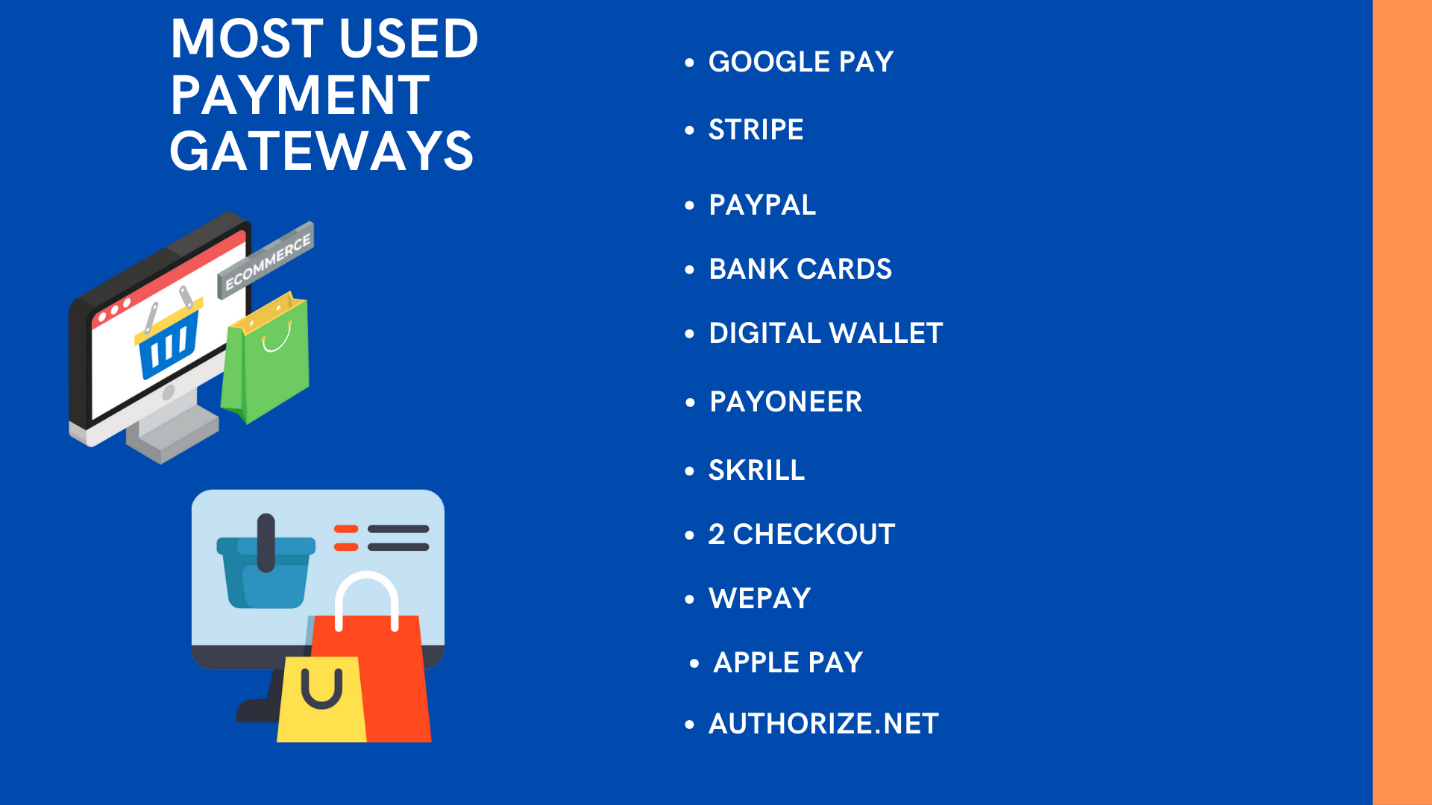
Enable fraud prevention measures to avoid mishaps. CVV and postal codes add an extra layer of security.
Let The World Know
Finally, the wait is over. Now, you are ready to start marketing and making sales. Do not forget to enable your email and SMS notifications for your customers. They must receive the messages on time at every stage of their buying journey.
There are plenty of ways to promote your brand name, and let people know about your business. Let us cover some of the basic methods here.
Search Engine Optimisation
SEO is the most important long-term strategy to let the people know. A lot of people these days go to Google to find the products they need. You can have good organic traffic if you try to make your store's pages appear in the search engine results. Tips and tricks used for this purpose make the discipline of SEO.
You can do keyword research to find out what keywords your target customers are using. Also, you can create and publish content that directly answers the questions that your audience asks.
Pay-Per-Click
The abbreviation of Pay-Per-Click is PPC. It is also one of the most used ways to let the world know about your business. It is the form of digital advertising where advertiser will pay every time someone clicks their ads. You pay for targeted visits to your website, landing page, or app.
However, if PPC works correctly, that fee is minimal. What you get after a click is worth paying those small charges.
Social Media Marketing (SMM)
Social Media platforms can also help you build your brand, get sales, and increase traffic to your website. Not only can you engage with your existing customers but also use them to get new customers. Marketers can track the success of their efforts with the data analytics tools provided by social media platforms.

Conclusion
And here ends the comprehensive guide on how do you start an online store and set up shop online. It begins with product and target research and the best store-building practices and ends with effective digital marketing techniques.
However, remember that building an online store is a one-time task, but its maintenance and marketing iterative. To survive the competition, you must keep learning from your mistakes and revising your policies accordingly.
If you want to create a profitable online store and are looking for a suitable e-commerce platform , WoWCommerce is one of the best options.