TOP 10 EMERGING E-COMMERCE TRENDS IN THE UK FOR 2024
E-commerce accounts for more than 25% of all retail sales in the UK. The UK is the most lucrative European e-commerce market. The number of users recorded in 2022 was 66 million in the entire country. This means that the number of people not using it is very small.
So, the country shows a promising landscape for aspiring e-commerce entrepreneurs. However, e-commerce is an always-evolving industry, and it's important to stay abreast of industry trends. The future of e-commerce is bright, but the importance of a focused and strategic approach will also increase.
This blog post discusses the 10 most important e-commerce industry trends that aspiring business owners must know to make their venture successful.
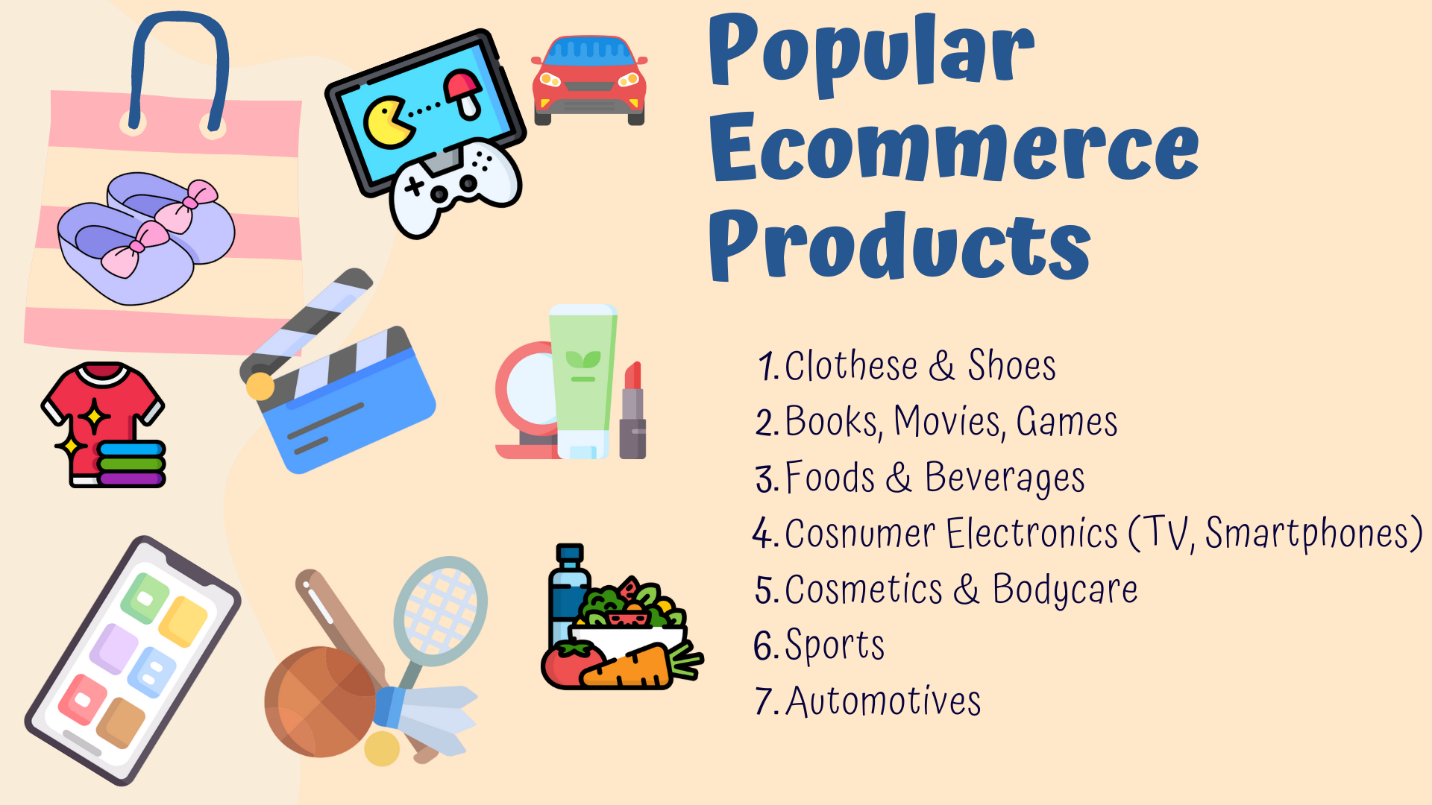
Why Are Online Retail Industry Trends Important?
Ecommerce has revolutionised the entire purchase process and made it quicker than ever. People have now become habitual online buyers with high expectations. E-commerce has also broadened the spectrum of choices for buyers.
People want a smooth user experience, speedy delivery, and a frictionless returns process. You must know how to meet their expectations. How to start an online store is also an important question for beginners. But how to run an online store and make it successful is also equally important.
However, as the world of technology and the internet continue to evolve, so does e-commerce. With these changes, consumer behaviours also change. Stats also show that people in 2024 do not look for products in the way they did back in 2018. So, you should always know what is latest in e-commerce.
Let us consider social media, for example. Instead of Google and Amazon reigning supreme, TikTok and Instagram have entered the game. People use them to discover and purchase products and brands.
If you follow e-commerce industry trends, there is a high chance that your business will meet the customer's expectations. Satisfied customers mean you get more and more sales.
Top E-commerce Industry Trends
The following trends will help you stay competitive in the industry. Keep reading, and you will be ready to meet future eCommerce industry expectations.
Mobile Commerce/Growth of Mobile Wallets and Contactless Payments
Total sales made by mobile devices in 2021 were £296.99bn. Millennials and Gen Z make up most of this list since these generations use smartphones in every aspect of life.

Mobile e-commerce is an evergreen trend making a splash in the industry. It is expected that by 2027, the share of mobile e-commerce among all e-commerce will be 62% .
So, if you are planning to launch your e-commerce, remember to optimise your website for mobile users. It should adjust to different screen sizes and load quickly on mobile phones.
M-commerce is paramount for every e-commerce business, whether it is a big brand like Amazon or a small, non-famous startup. Consumers can easily buy whatever and whenever they want, and they love it.
Mobile wallets have further simplified mobile shopping. These apps allow you to store and manage your payment information digitally. They are a convenient and secure way to make payments, transfer money, and perform financial transactions using a smartphone or tablet. There is no longer a need to carry credit cards. So, making ecommerce websites mobile-friendly is one of the most important steps of online shop setup process.
Tips to Reap the Most Benefits:
1. Use responsive Web Design that can cater to different screen sizes.
2. One-click ordering
3. Social Media Integration
4. Different Payment Gateways
M-commerce is the hottest trend because:
1. The convenience of shopping from anywhere at any time.
2. Seamless shopping experience that social media platforms like Instagram & Tiktok offer
3. Technological advancements in mobile commerce, such as Progressive Web Apps (PWAs). They offer a mobile-tailored shopping experience.
Hybrid Commerce

Experts say that the future of e-commerce is phygital. Phygital is neither physical nor digital but a blend of physical retail and online experience. It is something that was way beyond the imagination of 2016 e-commerce buyers.
It brings together several platforms and channels to sell. Hence, we have a seamless experience with the perks of both online and offline. This hybrid e-commerce strategy is also known as omnichannel selling. It aims to engage customers at every touch point.
Omnichannel campaigns use marketing and communication touchpoints across multiple channels, including in real life. Their order rate is as high as 494% .
Think of omnichannel as researching online and buying offline scenarios. Users may find your product online on their mobile or laptop and then visit your physical store to purchase the product.
Push notifications, emails, retargeting ads, and SMS messages are all synced in real life. They provide a consistent level of quality and messaging.
However, it could be a challenge to align inventory, product reviews, order history, support tickets, and everything else that makes customers feel like they are getting all their needs while you also protect your profit margins. Let us discuss a few hybrid models.
Buy online, Pick up in-store (BOPIS)
This is a service that lets customers check out online and collect their purchases at the store or pickup station.
M-commerce is the hottest trend because:
1. It fills the gap of customers being unable to touch and feel the product before buying.
2. It targets customers at various touchpoints.
3. No long delivery times and no shipping charges.
4. It reduces cart abandonment rates.
5. It improves brand perception.
6. It enhances the overall shopping experience for customers.
Tips to Reap the Most Benefits:
1. Make a buyer persona—a semi-fictional representation of your ideal buyer that reflects their pain points and demographics as well.
2. Put users at the centre of your design process.
3. Use every channel in multiple ways.
4. Personalise every channel.
5. Integrate your systems to maintain consistent customer data.
Customer Relationship Management
Customer relationship management (CRM) software help you manage all your company's interactions with current and potential customers. The goal is to support business improving relationships with customers for the sake of business growth.
Using such software for your business is more than just one of the significant e-commerce industry trends. It is almost a necessity now. Customer maintenance is paramount to survive the competition in the e-commerce landscape.

CRM includes tools and strategies to help eCommerce businesses manage customer interaction. With the help of CRM, business owners understand their customers' needs and behaviour better. That makes relationship-building easier. You can build a loyal customer base.
Some of the excellent CRM strategies are Loyalty and reward programs. Such programs also improve retention rates by 5% and profits by 25% to 95%.
CRM is the hottest trend because:
· You can foster customer relationship
Tips to Reap the Most Benefits
· Offer specific perks to loyal customers.
· Tailor your recommendations and offers in the light of their preferences.
Subscription Commerce
Now, let's transfer our attention to subscription-based business models. They have turned out to be extremely useful for e-commerce. The reason behind their fame is that they give a practical solution to fulfill the recurring expenses of consumers. Hence, businesses get a vast sea of opportunities for customer retention.
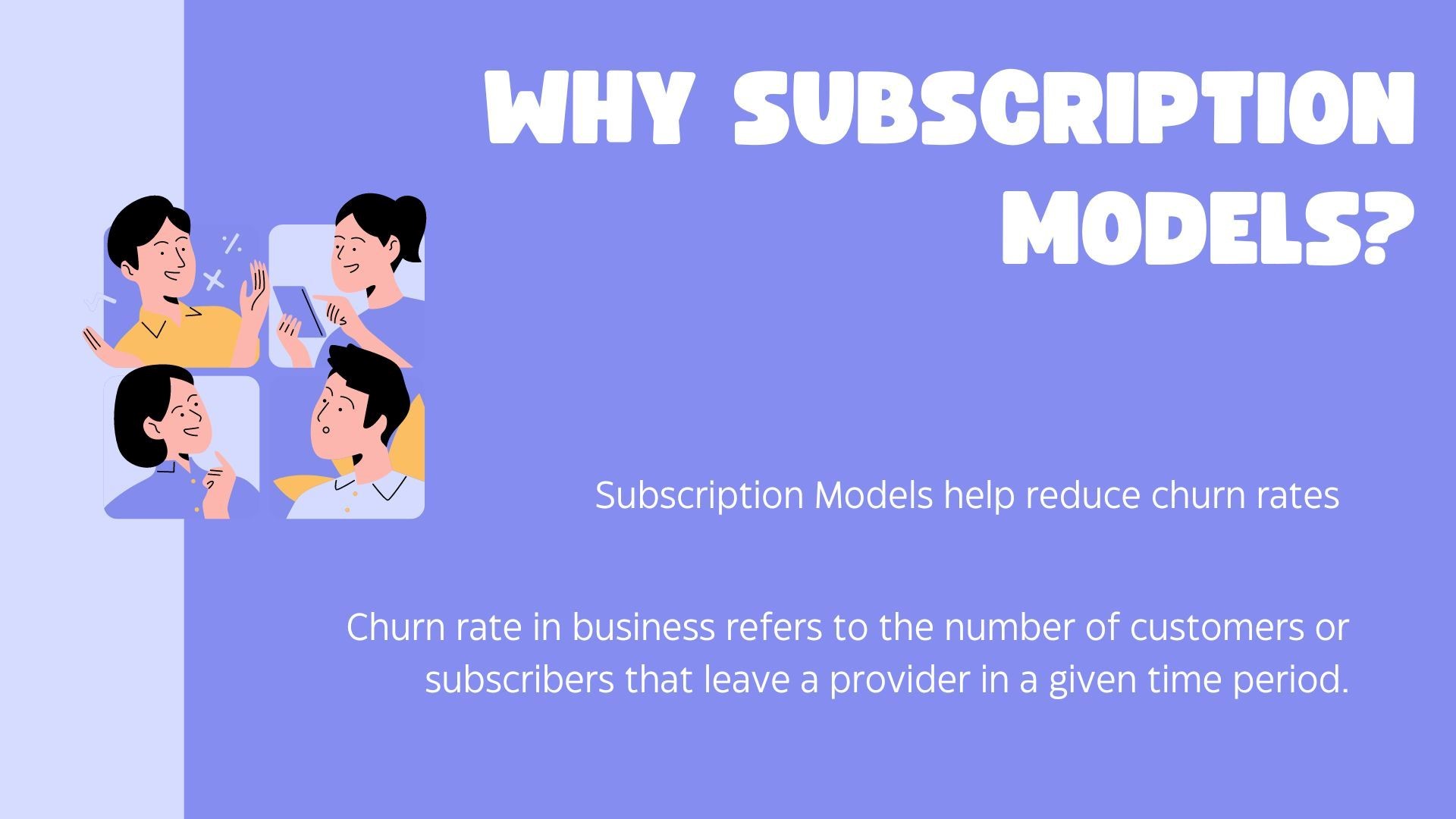
Subscription commerce has experienced exponential growth in recent years. It is expected to reach 1.6 trillion euros by 2028. From streaming products to fashion products, various items are available as subscriptions.
Let's see how these models work.
These models work by selling a product or service regularly. In most cases, it is sold monthly or annually. E-commerce businesses can generate a steady stream of revenue since customers pay monthly or annually to access the product or service.
Subscription models are the hottest trend because:
1. Better customer relationship
2. Predictable stream of income
3. Consumers do not have to find new vendors again and again
Tips to Reap the Most Benefits:
· Offer loyalty programs
· Offer personalised newsletters and emails.
· Offer special rewards for new subscribers.
· Define goals for every loyalty program so you can track your efforts.
· You can offer subscribers exclusive benefits like early access to sales, product tutorials, behind-the-scenes content, etc.
Social Commerce
Social media's importance as a retail sales channel needs no introduction. Its charm never seems to fade since it complements mobile commerce and helps you make the most of mobile shopping.
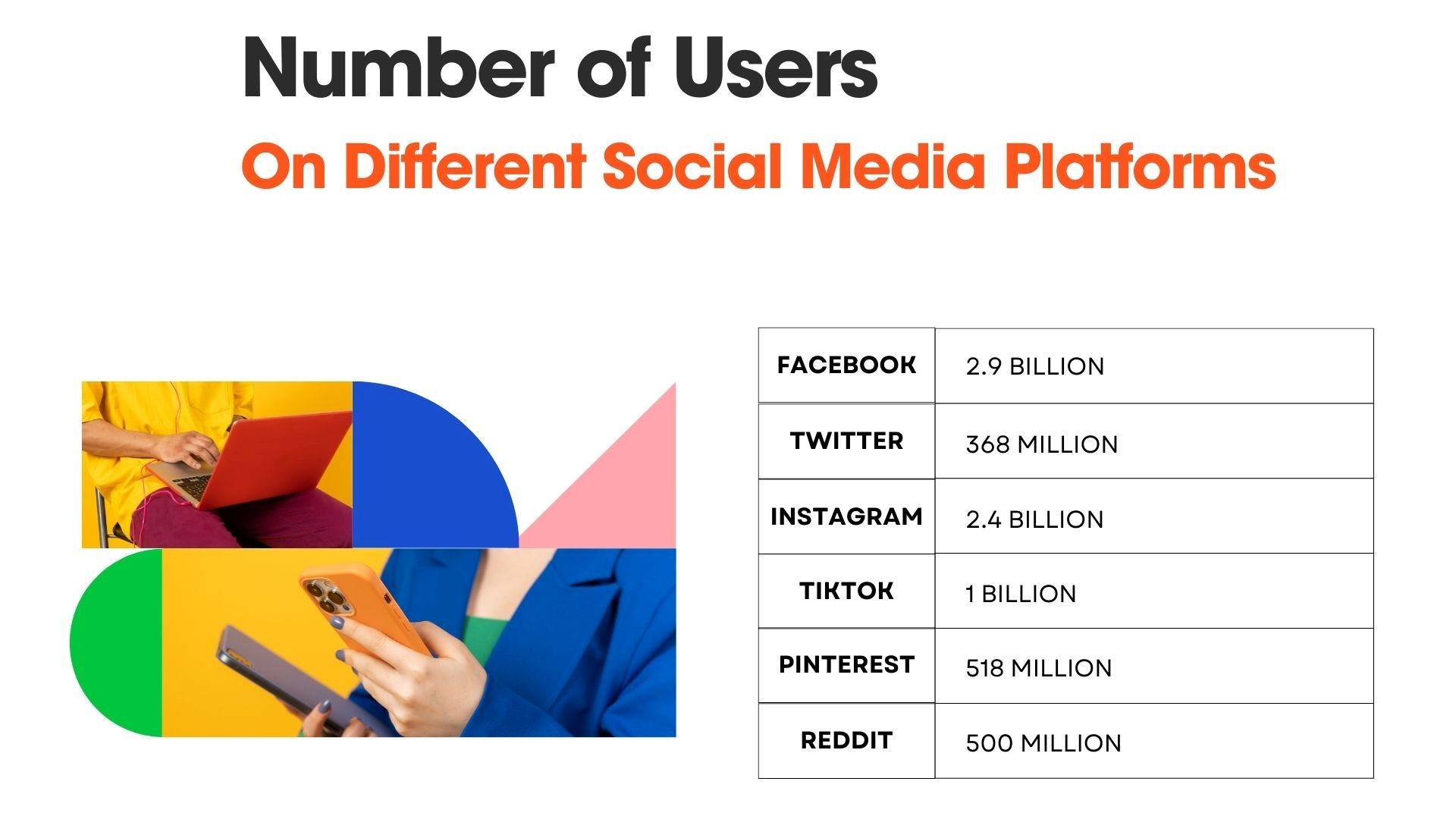
The rise of social media platforms and their integration with e-commerce has opened a plethora of opportunities. Business owners can execute campaigns to reach their prospective customers. These days, most people use social media to research products.
The best social media features that help sell more are shoppable posts, ads, and influencer collaborations.
Shoppable posts and ads let customers purchase directly from the platform, making the buying process simple. Users do not have to leave social media and visit the e-commerce website.
Influencer collaborations are a great tool for driving sales. You leverage your audience's trust in the influencer. When celebrities endorse your products or services, the audience starts discussing you more.
Social Commerce is the hottest trend because:
· It helps boost brand awareness.
· It is an easy way to engage your target audience.
· Consumers also visit social media to find new brands.
· It enables you to drive more traffic to your website.
Tips to Reap the Most Benefits:
· Use shoppable ads and posts.
· Use influencer marketing.
· Research which social media platforms your customers use and only use those.
Marketing Automation
Thanks to Marketing Automation, running e-commerce business operations is now easier than ever. It uses this great technology known as Machine Learning to automate routine marketing tasks.
For example, it automates follow-up emails, ads, and outreach, which are mundane tasks. Automation sets you free for other creative processes, like devising revenue-increasing strategies.
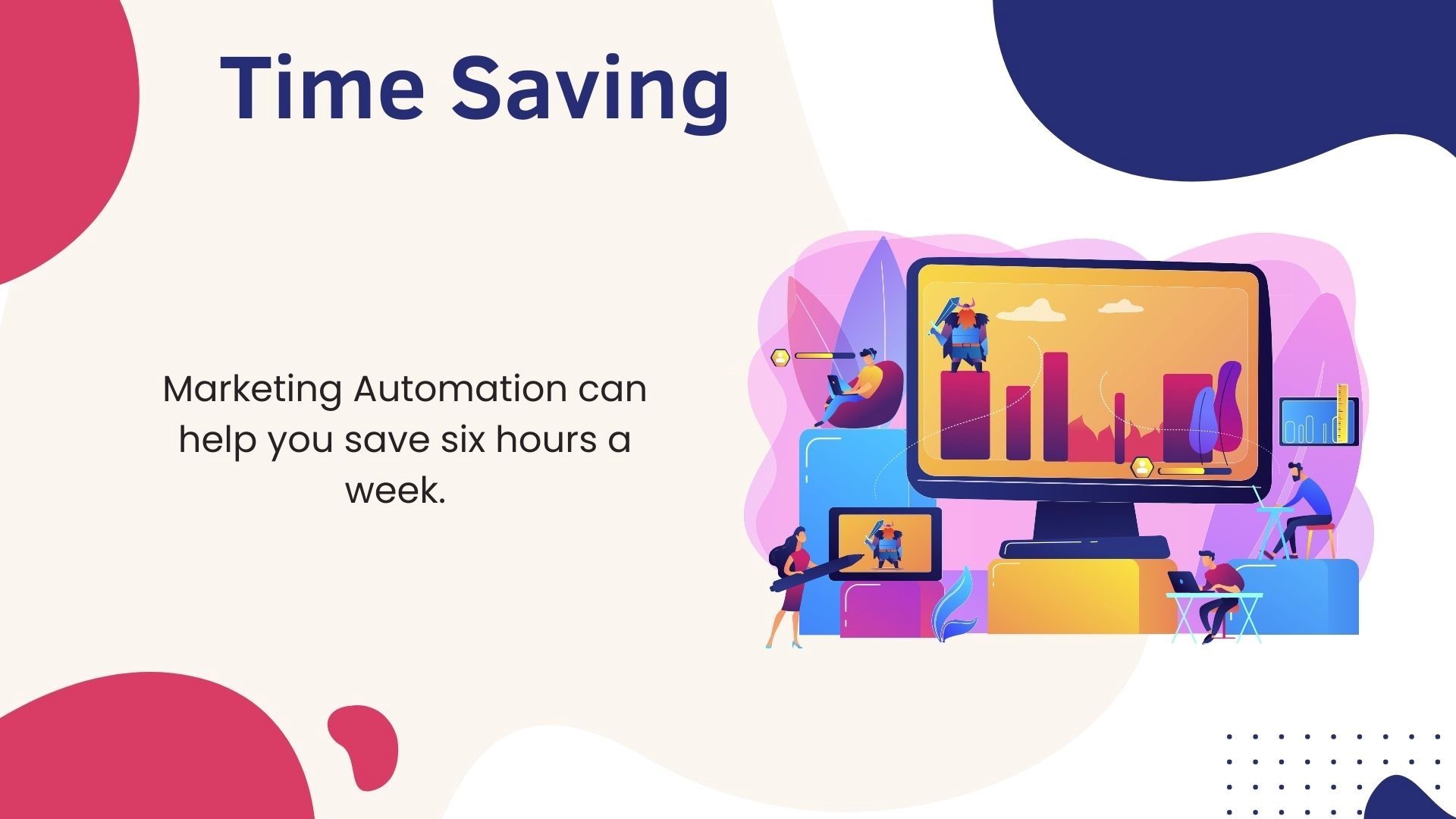
According to a survey , 40% of marketers plan to implement automation into their email marketing campaigns.
Marketing Automation gathers and analyses customer data and uses it to generate personalised messages at every step of the customer's journey.
Marketing Automation is the hottest trend because:
1. It helps reduce cart abandonment.
2. You have more time to focus on revenue-generating tasks.
3. You also need less staff.
4. Automation also helps with customer relationship management.
Tips to Reap the Most Benefits:
· Use it for automated post-purchase follow-up emails.
· Use it in inventory management.
· Send automated replies to your social media queries.
· You can offer automated discounts based on inventory levels or scheduled promotions.
· Send automated birthday and anniversary emails.
· You can also use it to process computerised returns.
Sustainable Online Shopping
Green commerce is the actual commerce for many people now. As the public becomes more and more environmentally aware, survival for non-green businesses will become increasingly tough.
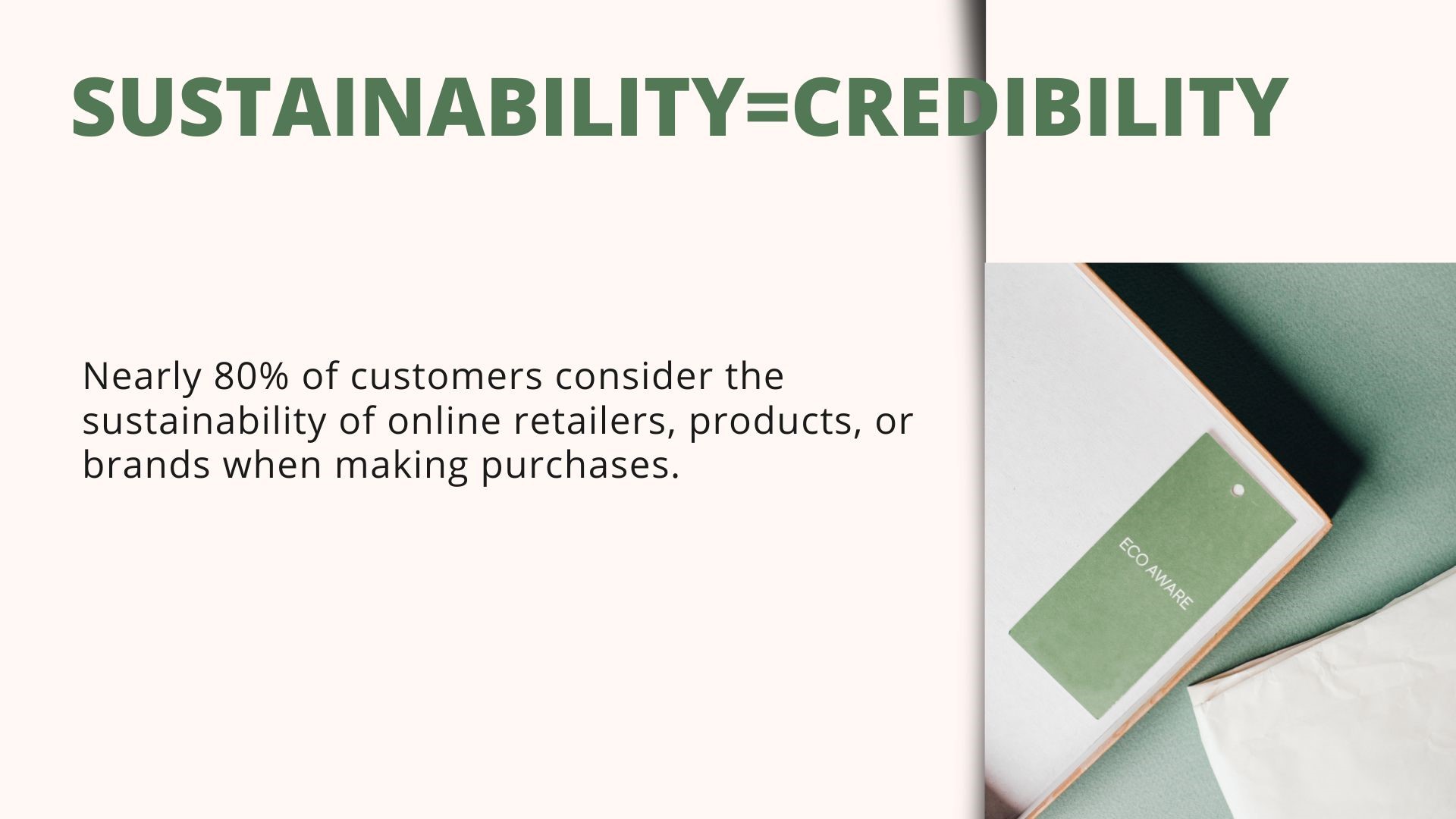
People are becoming more conscious of their shopping habits day by day. They want to buy from environmentally friendly brands. They want to buy sustainably packaged products and try to avoid plastic packaging.
Sustainability is the hottest trend because:
1. People know the importance of going green.
2. It helps protect our planet Earth, which is the home to all of us.
Tips to Reap the Most Benefits:
· Avoid plastic as much as possible.
· Use eco-friendly packaging materials.
· Paper and cardboard are easily recyclable.
· Use biodegradable plastics or plant-based bioplastic.
Fast & Free Delivery Options
In the early era of e-commerce, consumers were few and had fewer expectations. However, in 2024, not only has the number of consumers increased, but consumer expectations have also gone high.
Now, people expect fast deliveries. A month-late arrival would never get you a second order from the same customer. Surveys suggest that 62% of consumers are not willing to wait for more than three business days for free shipping orders. Affordable and fast shipping is one of the hottest e-commerce trends.
So, business owners must have a proper strategy in place to implement quick, convenient, and affordable shipping. Speed and shipping cost will both be important in the future. A recent PwC study shows that more than 70% of shoppers said they would be willing to pay more for sustainably produced goods.
Fast & Free Delivery is the hottest trend because:
1. It helps meet the expectations of modern consumers.
2. It matches the pace with the online world.
Tips to Reap the Most Benefits:
· Try to offer same-day delivery.
· Plan delivery routes to minimise delays.
Advanced Analytics, Big Data, & Business Intelligence
In simple words, big data is all about complex data sets that come from new data sources. These sources included social media, online transactions, research, and more. Data can be both structured and unstructured and even semi-structured.
The volume of data in these sets is too huge for traditional software. However, business owners can use this huge data for advanced analytics and business intelligence. Business intelligence, one of the most important e-commerce business trends, brings a next-level personalisation.

The most prime benefit of using big data is predictive analysis of customer behaviour. Even customers these days expect brands to know what they want. Big data combined with advanced tracking tools can tell you what an individual cares about.
Another great advantage of big data is dynamic pricing. Dynamic pricing occurs when prices change in real time based on various factors, such as supply, demand, and competitor pricing.
Big Data is the hottest trend because:
1. It makes inventory management easy.
2. It helps with price optimisation.
3. It helps with demand forecasting and trend prediction.
4. It helps offer personalised customer experience.
Tips to Reap The Most Benefits:
· Use big data to optimise the user interface. It also lets you know which colours and which buttons work better.
· Use big data to offer personalised customer experience.
· Use big data to build an accurate customer profile.
User Generated Content (UGC)
User-generated content (UGC) provides authenticity and credibility that company-generated content does not. It adds social proof to the brand's marketing efforts. All content generated by users, whether comments or a complete video, falls under UGC.
These days, online shoppers prefer to see reviews before purchasing. UGC provides them with what they need to know. Let's take an example from the fashion industry.
UGC can show how to style a piece of clothing, for example, or how an item will fit across a range of body types.
UGC is the hottest trend because:
1. UGC is a cost-effective way to produce content for social commerce.
2. It helps highlight functions and features for complex products.
To reap the most benefits:
· Use UGC on product pages and in ads.
· Use it in the product development process. Hence, you can gather valuable input from customers.
Conclusion
Keep in mind that following the ecommerce industry trends does not mean copying someone else’s business strategies. It also does not mean you do not require your specific planning. It is just about evolving with time. Times will change, and new trends will replace the present ones. Keep updating but also make sure you do not lose your USP.
WowCommerce helps you build a successful online presence with enough room for making changes to adapt to the trends. Flexibility and versatility make it one of the best ecommerce platforms in the UK .