HOW TO TURN YOUR PASSION INTO A PROFITABLE UK ECOMMERCE BUSINESS?
Headline: The Dream That Makes Every Dream Come True: True Passions becomes Profitable Profession.
We all have our own passions. In the past, everyone was not lucky enough to change the passion into a real life profession and earn a good revenue. Today, the situation is much different since we live in the ecommerce era.
Now you can turn your passion into a thriving online business and connect with people across the globe. The rise of digital platforms has made it possible to launch a business presence within seconds and become noticeable in a reasonably short time.
But how?
How to start an ecommerce business in UK?
This question is the main topic of this blog post.
The UK ecommerce market has experienced significant growth over the past few years. The country is the third largest ecommerce market . As of 2024, the UK has 1.3 million ecommerce websites.
This guide will walk you through the steps to start an online business and succeed.
Watch This Video: The Volume of UK Ecommerce Market
Step 1: Identify Your Passion
The first step is to identify the passion that you can capitalise on in the online world. Brainstorm and think about the viable ideas that excite you. Many successful entrepreneurs start with a simple hobby and transform it into a thriving business.
Ask yourself such questions:
? What makes me happy?
? Do I have any hobbies like fitness, cooking, writing, or gaming?
? Am I good at anything like skills like photography, teaching, or graphic design?
? Is there a market for what I love doing?
? Are there people willing to pay for related products, services, or content?
Remember that passion is important but so is profitability. People will not pay for your passion. They pay for the solution of their problem.
Read More: How to Find Your Passion
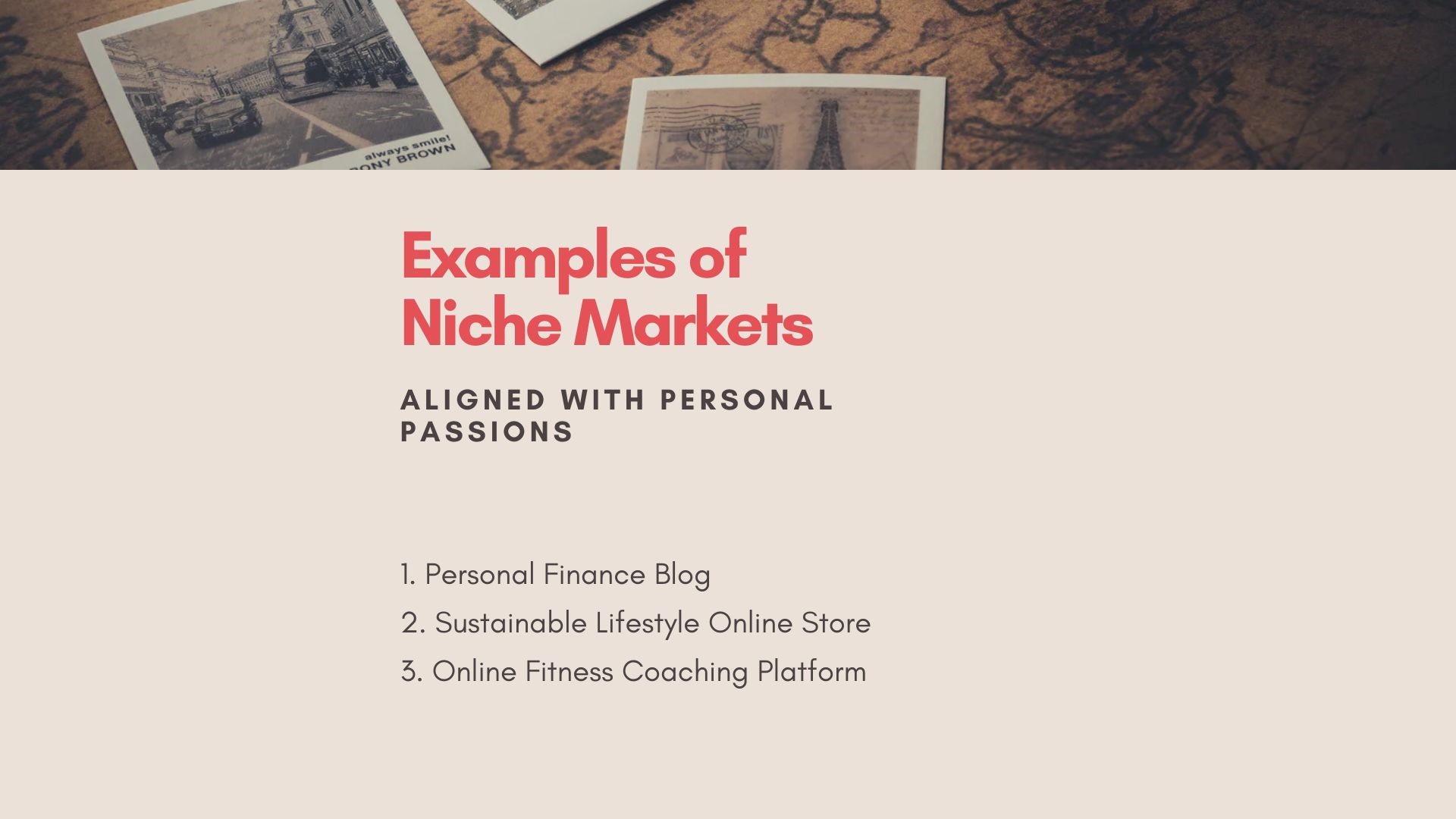
How to Assess if Your Passion Has Market Potential?
You have to conduct thorough market research in which online tools like Google Analytics can help you a lot. You can find out how many people search for a specific query in a month. Check if you have any competitors.
You can use Google Trends, keyword research tools, and social media analytics to find current topics and search terms in your niche. You can check different social media groups, forums, and communities to find the possible clients.
Competitor Analysis
You cannot perform better than your competitors if you do not know your competitors. Conduct thorough research on them to find out what they do, what they do not do. Then you can think of ways to identify the gaps left by them and to do things better than them. Check what they offer and try unexplored segments of the niche.
Step 2: Choose the Right Ecommerce Business Model
Ecommerce business model is how the company makes sales online. It is all about who sells, who buys, how one party sells, and one-party buys. There can be multiple scenarios.
Here are the six basic types of ecommerce models
1. Business-To-Consumer (B2C) Model
In the B2C model, businesses directly sell their goods or services to customers. The medium is websites, apps or ecommerce marketplaces. Some businesses handle the entire process themselves from product building to delivery.
Others just manage the delivery. Let's consider the example of Amazon and H&M. The former sells everything from books to electronics directly to consumers. The latter offers fashion through its website to individual customers.
2. Business-To-Business (B2B) Model
The B2B model sells products or services to other businesses rather than individual customers. Usually, these businesses receive bigger orders from other businesses and one order can take a longer time to complete. Grainger is a B2B ecommerce company that provides tools and equipment to other businesses. B2B sales often include special features like bulk ordering options or custom prices for different business customers.
3. Business-To-Government (B2G) Model
As the name implies, B2G means selling to government offices and agencies. That may include local and central government buyers. There are companies that sell office supplies to government departments.
Also, we have tech firms that offer specialised equipment to public agencies. However, these businesses have to operate under strict rules and regulations. Processes are long and often require multiple approvals.
4. Consumer-To-Consumer (C2C) Model
C2C platforms help individuals buy and sell to each other. OLX is one of the popular examples. These businesses make money through fees or ecommerce advertising. Another example is eBay that lets people auction their items to other people.
Craigslist also does the job of connecting local buyers and sellers. Facebook Marketplace helps people sell items in their vicinity.
5. Consumer-To-Business (C2B) Model
In the C2B model, individuals provide their services to businesses, often through special platforms. Let's take an example of Shutterstock. Photographers can sell their photos to businesses through it. A famous freelancing platform, Upwork connects freelancers with companies needing work done.
6. Consumer-To-Government (C2G) Model
The C2G model is all about individuals using online services to interact with government agencies. Benefit is the ease in the paperwork and payment systems. Perhaps, one of the most relevant examples is paying taxes online.
Then, there are portals for paying parking tickets that make municipal interactions simpler. Government services become more accessible to people due to this model.
However, so much more goes into deciding your ecommerce model than these basics. You also must figure out the following factors:
What Do You Sell??
Of course, it is the main question when you start any business. The product you sell also has the impact on what ecommerce model you pick: Here are the few mainstream options:
Physical Products
You can sell something tangible like clothes, gadgets, furniture, home decor, pet products, etc. If you decide so, you will also have to think about the aspects like inventory management, shipping and fulfilment, and returns processing.
If your target audience are individuals, you pick a B2C model. And if you are targeting retailers, you will pick a B2B model.
Digital Goods
On the other hand, you can also offer non-tangible products. For example, you can sell software or online courses. You will have to focus on digital delivery and licensing.
Services
You can also offer your services to individuals or businesses. It could be consulting, design, or freelancing or any service. Your core focus areas would then be marketing your expertise and building client relationships.
Who Is Your Target Audience?
It is crucial for a successful business to know who they are selling. You should have an ideal picture of people who could be interested in your products or services. Get to know them in as much depth as possible.
Focus on their demographics, such as age, gender, income, and location. Also, understand their psychographics, such as values, interests, and shopping habits.
The key in ecommerce businesses is knowing the pain points of ideal customers. You should know the problem they have, and their product should be capable enough to solve it in the best way possible. Have a detailed look at their feedback about your current products.
Pro Tip: Use a free Buyer Persona Tool to build a complete picture of your ideal buyer.
What Can You Do?
Since you are going to turn your passion into your profession, you have to analyse your skills. Figure out how capable you are when it comes to producing products, managing fulfilment, handling technology, and marketing effectively.
Yes, there is no such things like a one-man army. You would have some plus points and some negative points. But there is a lock to every door. You do not have skills and resources for production? No problem, you can hire suppliers.
Are you incapable of handling logistics? No issue, just outsource the fulfilment task. Choose a platform that matches your tech capabilities and consider your e-commerce marketing strengths.
Value Delivery Methods in Ecommerce
There are five main options to pick from.
1. White Label Products
You do not develop your own products. You buy products from other businesses and then sell them under your own brand name. So, you have the product line without any rigorous product development. This is common in the fashion industry. You can sell clothes and make up products made by other companies.
2. Private Label Products
These are products made by manufacturers and sold by the manufacturers. They decide how to price, market, and pack the product. We all have seen store-brand cereals at supermarkets. These are the examples of private-label products. From recipe to box design, everything is under the manufacturer’s control.
3. Wholesaling
This involves buying products in a bulk quantity and then selling them to other businesses at lower prices than retail. Such businessmen are called wholesalers. Thye connect manufacturers with retailers by redistributing the items they bought in bulk.
They may buy hundreds of phone cases from manufacturers. Further they would sell them in small quantities to phone shops and electronics stores. It is a win-win situation for both manufacturers and retailers. Manufacturers get to sell more at once, retailers get better prices.
4. Dropshipping
It is one of the most viable ideas for new businesses that do not have enough budget to execute their business idea. You can sell and market the products, but you do not have to manage any inventory. When the order arrives, suppliers are held responsible to deliver. You get your cut. Famous online stores like AliExpress also practise drop shipping.
5. Subscription Service
Subscription models are also trendy these days. You give your customer regular access to the company's products or services for a monthly or yearly fee. Spotify is one of the prime examples. They offer unlimited music streaming for a monthly payment. Another example is BarkBox.
They send dog owners a monthly box of treats and toys. The model works well for both digital services and physical products if people need them regularly. Businesses enjoy permanent and predictable revenue. Customers get convenience and regular deliveries.
Download this Business Plan Template for free and use it as a starting point. It covers everything you need to consider when starting up your business.
Step 3: Set Up Your E-commerce Store
There are many different platforms to choose from when you build an ecommerce store. Some of the most notable names are Shopify, WowCommerce, and Bigcommerce. Take some time to research and well understand the must have features in a good ecommerce platform .
When you finalise one ecommerce platform, you go to its official website and make an account. WowCommerce takes things one step further, by discussing your requirements with you and offering you an ecommerce platform completely customised for your unique business requirements. Niche-specific versions one of the biggest competitive edges of WowCommerce.
Step 4: How to Build a Brand?
By now, you have figured out all your stuff. You know what you are selling, who your customers are and what ecommerce platform you will use. Now, it is time to start your branding. You have to pick different brand elements like Logo, the name, and the website’s design.
All these visual elements play a key role in grabbing customer’s attention, retaining it, and building your community. Brand building is one of the most important early tasks in online website building.
“The brands that will thrive in the coming years are the ones that have purpose beyond profit.” Richard Branson
The brand must have a clear mission and vision statements. An interesting story backing up the vision could make a lethal combination. Human minds love stories. Let them listen to a relatable story that hits their pain point and they will become your loyal customers.
Logo
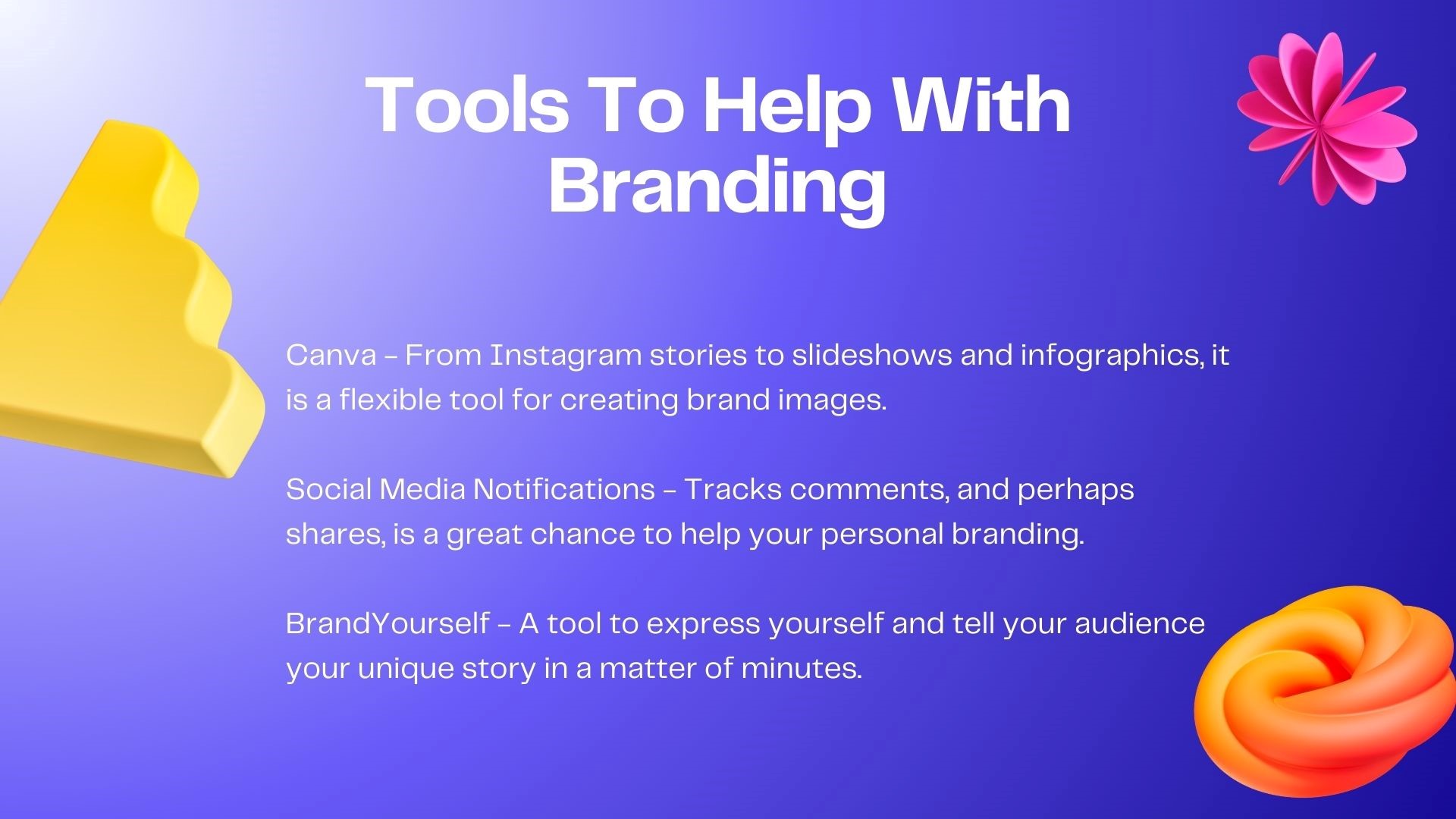
Logo is the first thing that many people notice. It should be professionally designed, eye-catching and appealing. There are many free and paid logo makers online. You can also hire a professional graphics designer.
Name
Business name may sound like the first task. But you cannot come upon a great name without a strong understanding of your products and your target market. The name should be memorable, catchy, and a good representative of your vision and mission.
Design
Aesthetically pleasing websites grab the customers’ attention better. A good ecommerce platform will let you choose between hundreds of different templates. If you have hired a developer to build your ecommerce website, make sure you communicate your design goals properly.
Step 5: Market Your Online Business
Congratulations! You have an online store now. It is time to spread the word. There are many channels you can use
1: Social Media
Find out the social media platform that your target audience uses and try to socialise with them there. If you are selling watches, maybe you can find more of an audience on Tiktok and Instagram than Facebook. If you are a human resources company, the best platform for you to build your presence is Linked In.
2: SEO
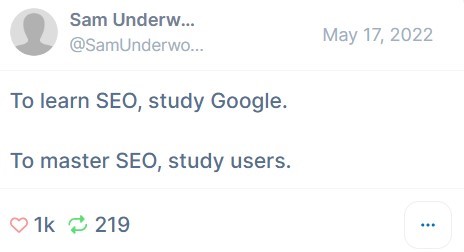
You also have to make sure your ecommerce presence is noticeable for search engines. When they note and rank it, a lot of people can see it. Make sure the ecommerce platform you choose is SEO friendly. However, users are equally important. Build an SEO strategy that makes website easy to find for both search engines and people.
https://twitter.com/SamUnderwoodUK/status/1526473118746923008
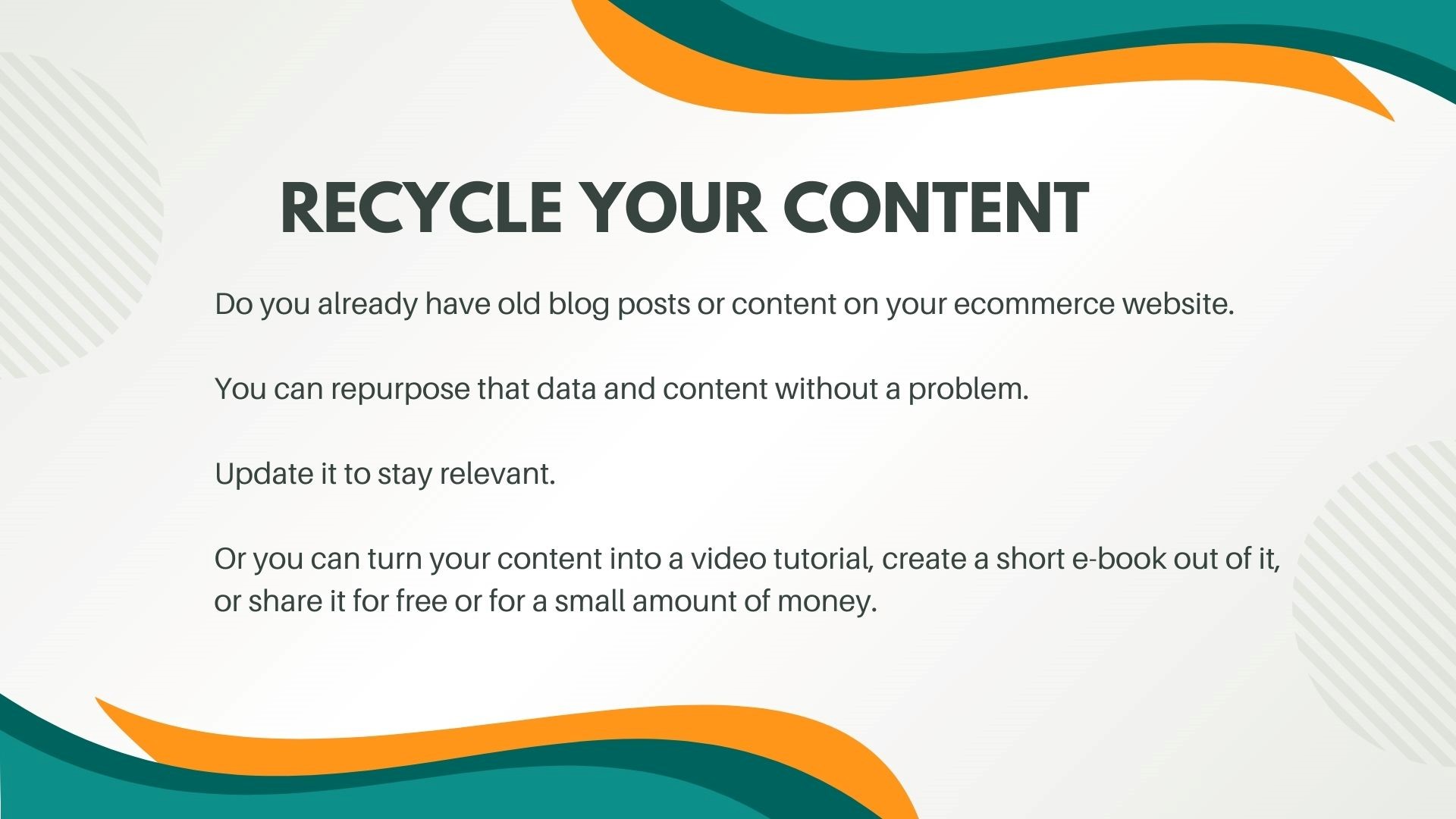
To come into the good books of search engines as well as audience, content is mandatory. Maintain a blog on your ecommerce store and share fresh content about trendy topics of the industry. Figure out the topics that are important for your target audience and write on them.
Tools for SEO:
1. Ahrefs: Keyword research
2. Google Search Console: Tracking
3. Answer the public: Keyword research
4. Google Pagespeed: Performance
5. Yoast: On-page SEO
6. Grammarly: Spell-checking
7. Hemingway app: Readability
Read More: A Complete SEO Guide
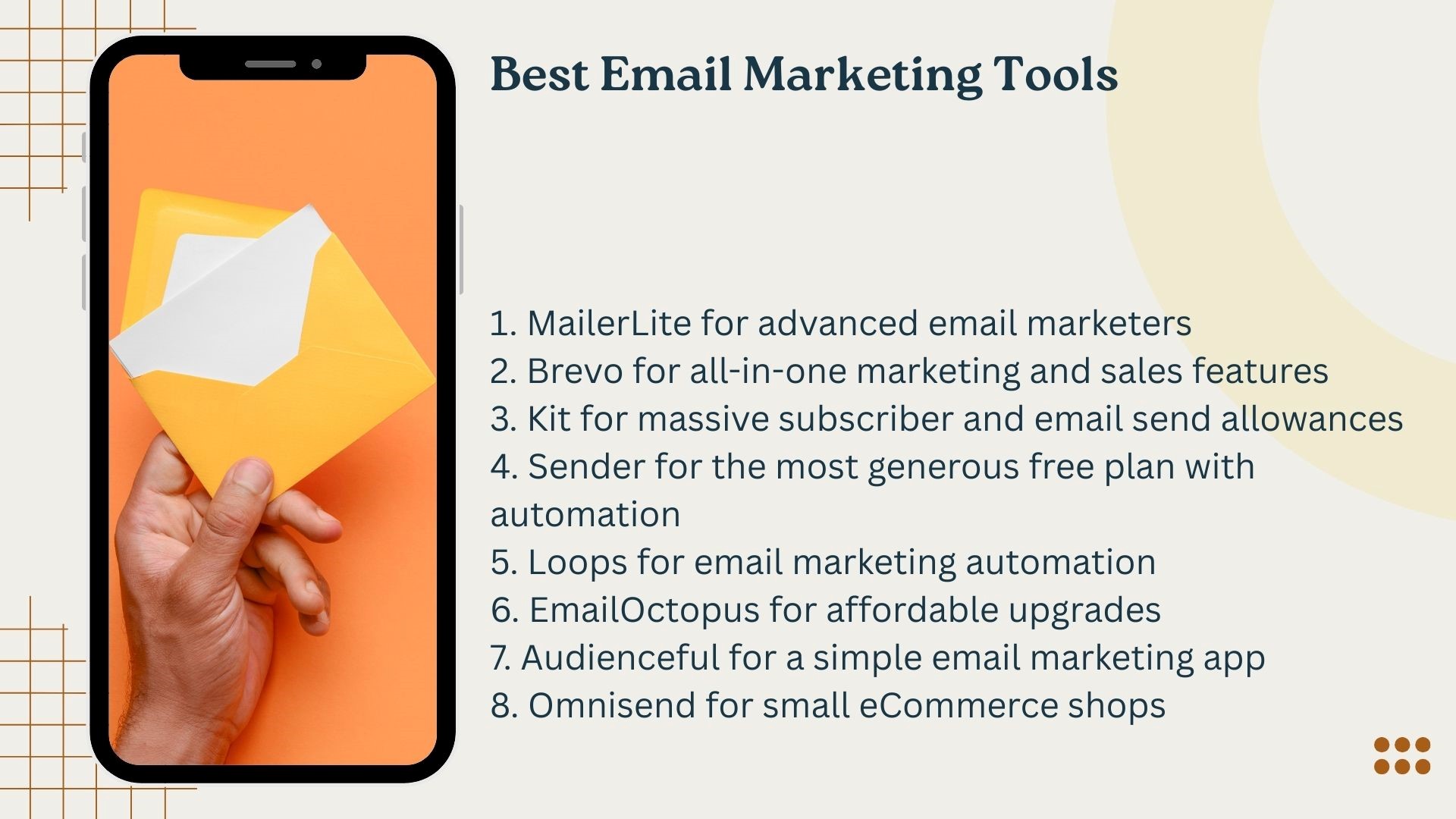
3: Email List
It is a direct way to communicate with and engage your audience. You can tell them about every new release or new events.
4: Paid Ads
Also, you can run paid ads on search engines and social media platforms. Brands pay to show their ads to the target audience. Your business is shown at the top portion of search results.
Conclusion
We hope now you understand how to start ecommerce business in UK. It is all about research on your product, your competitors, your market, and getting a good ecommerce platform. You can complete the research part on your side and let a good ecommerce platform handle the technical side of the venture.
WowCommerce is one of the most incredible ecommerce platforms with various niche-specific versions, hundreds of visually appealing themes, and amazing backend features.