HOW TO FIND A UK MANUFACTURER OR SUPPLIER FOR A PRODUCT (2025)
Every online business needs a good e-commerce platform to manage online operations.
Similarly, you need good manufacturers and suppliers to manage the offline aspect of product sourcing.
Wrong Supplier Can Fail Your Business
A recent survey by CB Insights survey claims that 23% of entrepreneurs said that being unable to find reliable suppliers or manufacturing partners was a significant reason for their business failure.
Excellent things aren't always easy to find, whether you want to produce something yourself or locate wholesale sources.
Finding a manufacturer, selecting whether it makes more sense to deal with domestic or foreign manufacturers, and determining a manufacturer's legitimacy are all steps in choosing a supplier for your next project.
Finding a good manufacturer or supplier for your business is a complete process. This process is the main subject of this blog. Finding a good supplier is one of the main challenges that online business may face in 2025:
Why Read This Post?
Read this if you have questions like:
1. What is the best way to find suppliers in the UK?
2. How do I find manufacturers for my product idea in 2025?
3. What should you look for in a UK supplier?
4. Where can you find wholesale suppliers for products in the UK?
5. How to source products for your business in the UK?
Supplier VS Manufacturer: What's the Main Difference?
Let's first make sure we understand the difference between them. However, the main topic of this blog is manufacturing.
A supplier sells the products to other businesses, such as retailers and vendors.
A manufacturer is someone who creates the goods. They produce the products, and then the supplier takes the products from them to sell them to the end consumers. In other words, a manufacturer is a business that transforms raw materials into finished goods.
They may sell these goods to:
1. Consumers
2. Wholesalers
3. Distributors
4. Retailers
5. Other manufacturers to create more complex products
However, in some cases, the manufacturer acts as a supplier. Retailers and vendors directly buy the product from the manufacturer. Also, some suppliers supply raw materials and parts to manufacturers rather than selling finished products to retail businesses. You can enjoy good scalability and flexibility if you work with suppliers.
Problems of Getting in Touch With Suppliers
1. Lack of communication
2. Quality Problems
3. More Chances of Mistakes
4. Late deliveries
5. Lack of transparency and compliance
6. Overpriced
Why Manufacturers Are Good Option?
1. Possesses necessary expertise
2. Maintains quality standards consistently
3. Credibility in the industry
4. Good communication and transparency
5. Competitive Pricing
Types of Manufacturers: Domestic/Overseas
Here is another difference you must be clear about. Well, the names are descriptive enough to tell the difference. Let's talk about their pros and cons.
Benefits of Domestic Manufacturing
1. Better communication
2. Quicker turnaround times
3. Easier compliance with local regulations
4. You can visit the site and ensure quality control
Cons of Domestic Manufacturing
1. Higher cost of production affecting your profit margins
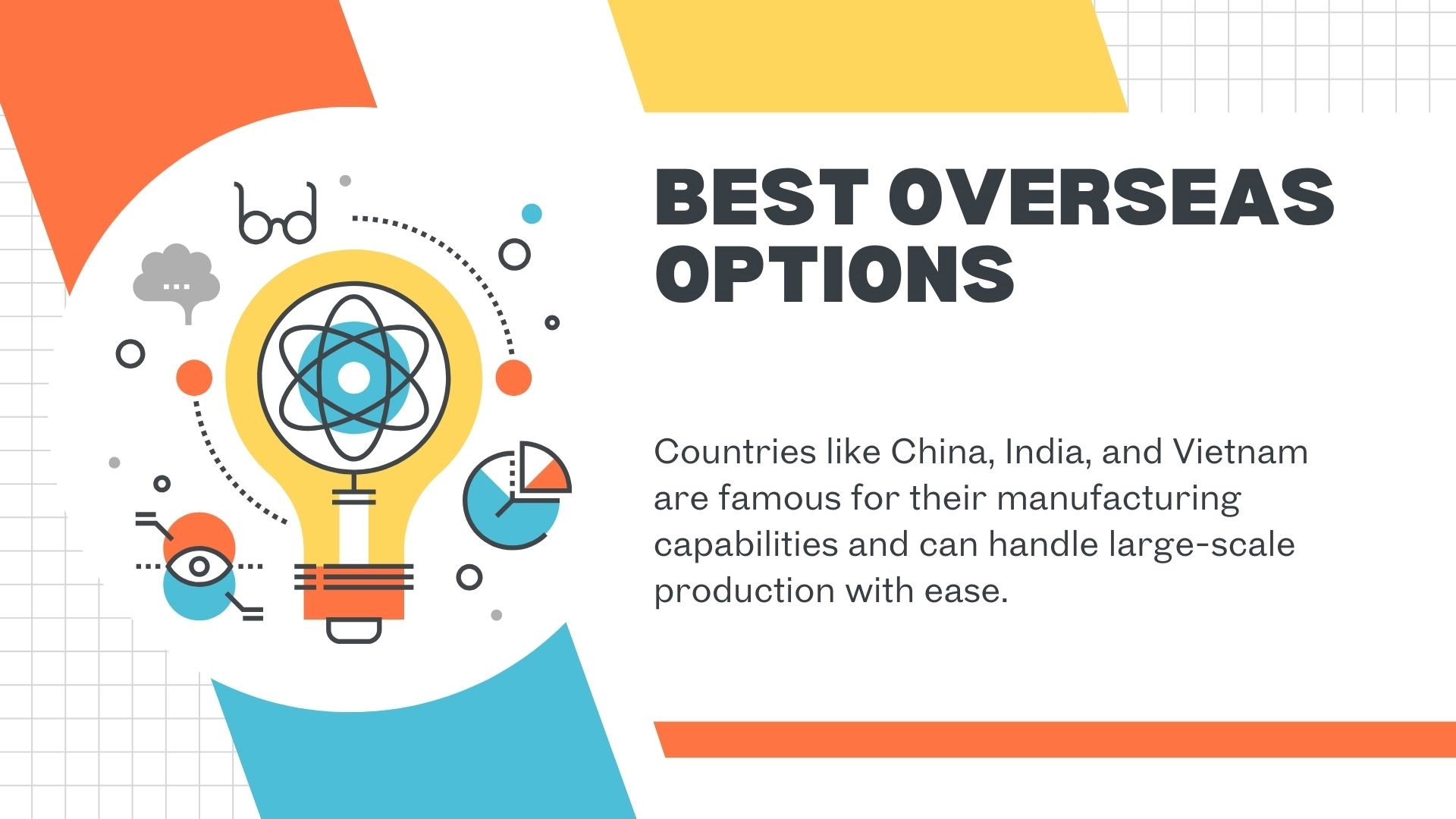
Overseas Manufacturing Pros
1. Lower production costs
2. Higher profit margins
Overseas Manufacturing Cons
1. Language Barriers
2. Longer Shipping Time
3. Potential issues with quality control
How to Find The Best UK Manufacturer?
Now we understand the difference clearly. It's time to dive into the process of finding the best UK manufacturer for your business. It is a long process that would take some time. Let's begin.
STEP 1: Know Your Requirements
This step lets you know your product, market, and industry better. Also, you make sure you know your target audience. Manufacturers will take you seriously only when you can explain the following:
1. Who are your customers?
2. Who are your competitors?
3. How does your product fit into the market?
Next, you must know where you will source your raw materials from. UK manufacturers mostly work on a CMT (cut, make & trim) basis. That means, as a business, you must source your raw materials. That includes fabrics, trim, and packaging. Material preparation in advance comes with many benefits.

Make A Clear Product Brief
Ensure you have documented technical specifications, detailed drawings, measurements, and a bill of materials. Manufacturers must know what exactly you want. And this won't happen if you do not know what exactly you want.
A comprehensive brief is also proof of your credibility. It demonstrates your professionalism. A well-defined brief would increase the probability of long-term professional relationships with good UK manufacturers.
STEP 2: Research Your Options
The manufacturer directly influences your product's cost, quality, packaging, and shipping. So, you have to be very picky. But that raises the question. Where to look for manufacturers?
Search Engines
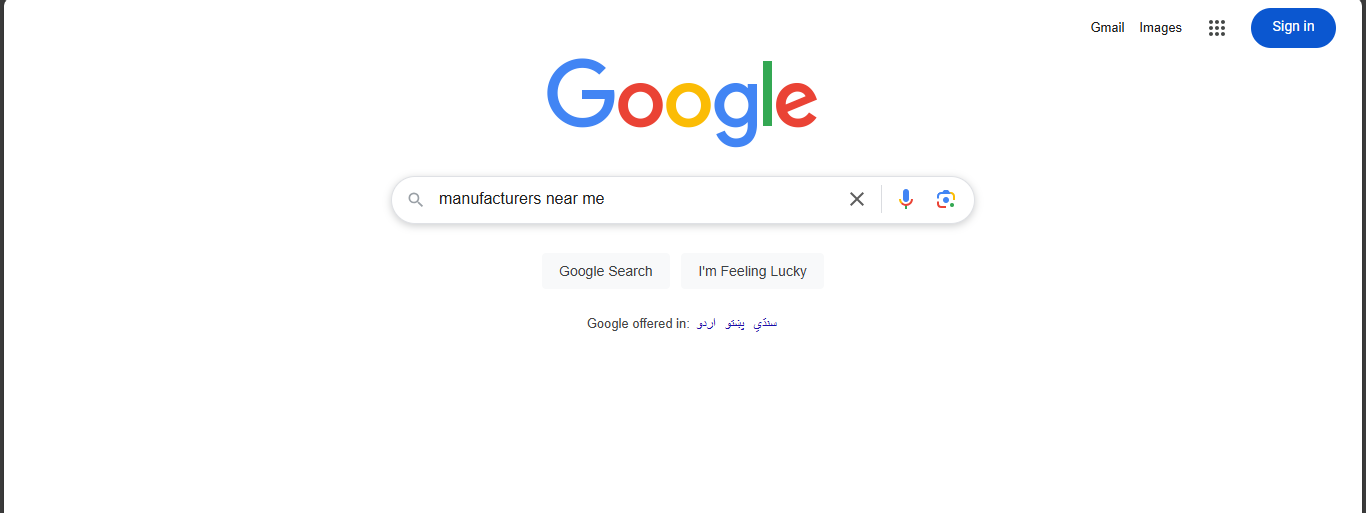
To start researching options, type "manufacturers near me" into Google. Use various terms like "wholesale," "supplier," and "distributor" to broaden your results.
Referrals
Feel free to get referrals. Sometimes, the best leads come from word of mouth. Ask your contacts or reach out to other entrepreneurs. Even if the supplier they recommend is unfit, that supplier may point you in the right direction by telling you about a better manufacturer.
Social Media
Social media groups can also help. A pro tip would be to join Facebook groups and online e-commerce communities for reviews and suggestions. Websites like eBay, Alibaba, and Amazon can also help.
Manufacturing Directories
Manufacturing Directories are also valuable resources. You get the profiles of thousands of manufacturers, wholesalers, and suppliers. Here are some popular options:
1. Kompass


3. UK Companies Manufacturing Directory


By the end of this step, you must have penned down some names that best suit your business.
Make sure all names are reputable and offer good quality.
STEP 3: Vet All Potential Manufacturers
It is time to scrutinise all potential suppliers so you can finalise one. It is best to visit the facilities and see their procedures.
Here is the list of questions you must ask from potential manufacturers:
1. Can you handle custom orders?
They must have the skills and resources required to build your specific product. If product development requires any automation, they must have it.
2. What are your lead times?
Customer satisfaction is everything in business, and quick delivery is paramount. Make sure they are fast enough to keep your customers happy.
3. What are your shipping costs?
This expense can be significant for small businesses. Get to know their shipping costs and their impact on your bottom line.
4. What are your minimum order quantities (MOQs)?
This question is essential. However, it's better to avoid making it the first question. You'll need to know the minimum number of items required for production. In a lot of cases, this is negotiable.
5. What's the cost per unit?
Negotiate this alongside MOQs. This cost may decrease if the order is larger.
6. Can you offer exclusivity?
Are you investing in tooling? If yes, ensure they won't allow others to use it. You might also explore the territorial, market, or total exclusivity options or even private-label goods.
7. Is there setup fees I have to pay?
Some may make you pay a fee to prepare equipment for your production run.
8. What's your defect policy?
Clarify who covers the cost for incorrect or defective items. It must also include shipping and duties.
9. Are you sustainable and ethical?
Get to know factory conditions and their impact on workers and the environment.
STEP 4: Negotiation & Communication
MOQ is the abbreviation of minimum order quantity. This is almost always negotiable. For effective negotiation, you should know:
1. What is the reason behind the supplier's minimum?
2. Is it upfront work?
3. Do they prefer buyers who place larger orders?
Only then can you propose a compelling counteroffer.
Payment Terms
There are many suppliers that require new businesses to pay for full orders upfront. Inventory is a major cost for e-commerce businesses, so it is important to know that. Also, ask about payment terms for future orders.
Tips for Email Marketing
If you are reaching out to different manufacturers via email, remember the following things:
1. They receive a lot of mail, so they may take some time to respond.
2. Emails should be clear and concise and only discuss important things.
Communicate Your Designs
Make sure you provide them with all details. Share the product design, which may include:
1. Sketches
2. Written instructions
3. Reference photos
STEP 5: Calculator The Profitability of Working with Every Manufacturer at Individual Level
Now, you have basic confirmation about every potential manufacturer. Now, it is time to check which the most profitable one is.
Here are the calculations to perform before signing the contract.
Compare Different Quotes
See how they measure up to each other. Ridiculously low prices can be a red flag. Beware of it. Make sure there is no misunderstanding.
Manufacturing & Shipping Costs
Calculate every single cost associated with the manufacturing process, including shipping, handling, insurance, and customs tax. Are you also working with designers, engineers, or regional intermediaries for overseas manufacturing? Add their costs as well.
Market Price of Your Product
It should not be difficult to calculate by now. Also, the average market price of similar items must be determined. Think about your audience size and gauge the number of units you'll be able to sell over time.
Profit Margin
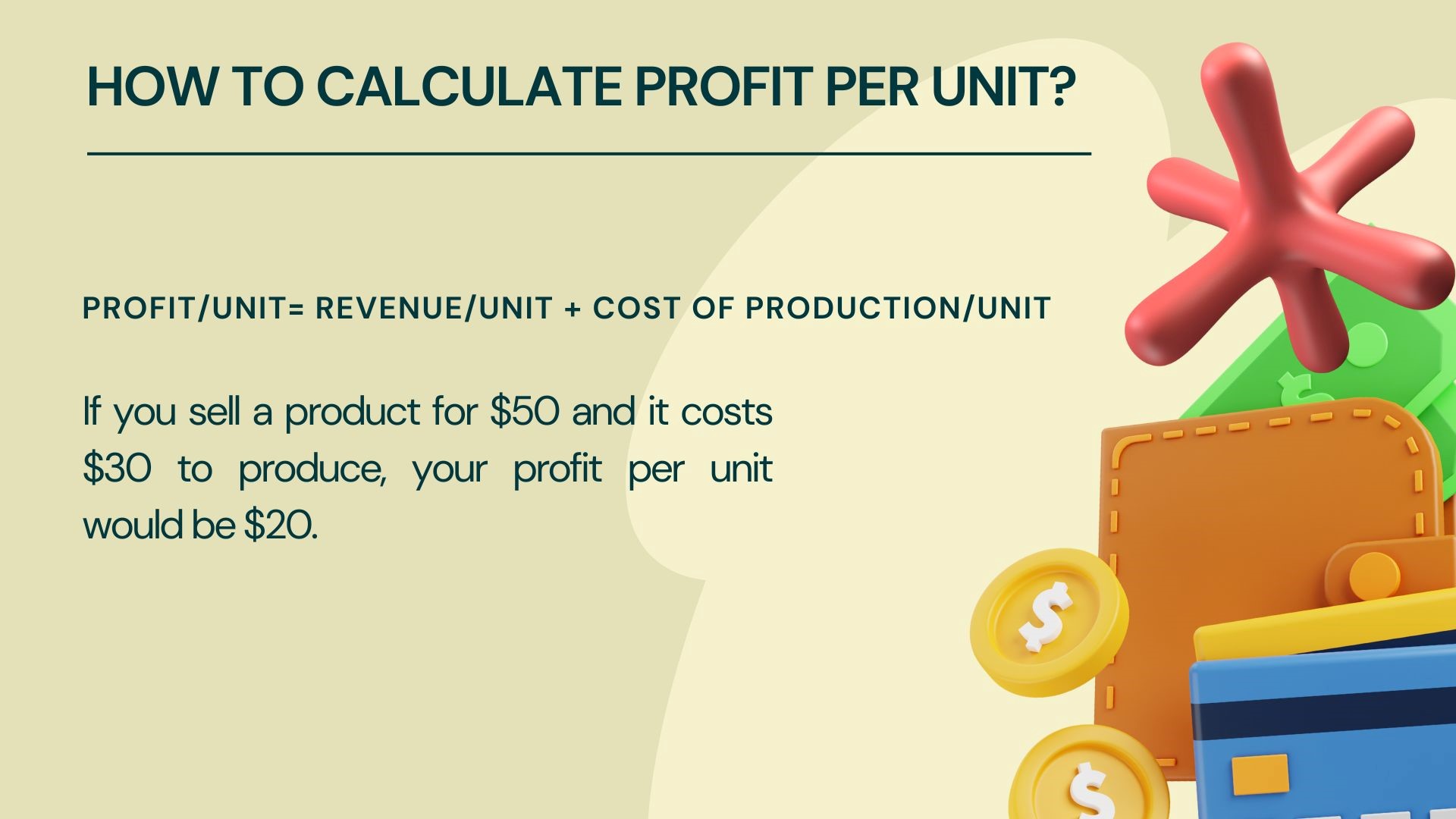
Finally, now you can derive your profit margin—the percentage remaining from your revenue after deducting all costs—for a unit of your product.
Conclusion
So, this was all about finding a UK manufacturer. One of the biggest costs when starting a new business is manufacturing cost. It is crucial for your new venture, and we hope that reading this guide has made you feel more informed and confident about the project.
However, it requires patience. Just keep trying in the right direction. However, you can save time later by finalising a good e-commerce platform in advance. WoWcommerce is one of the best ecommerce platforms to help you provide easy shopping experience to your customers.